How Thick Should a Concrete Driveway Be?
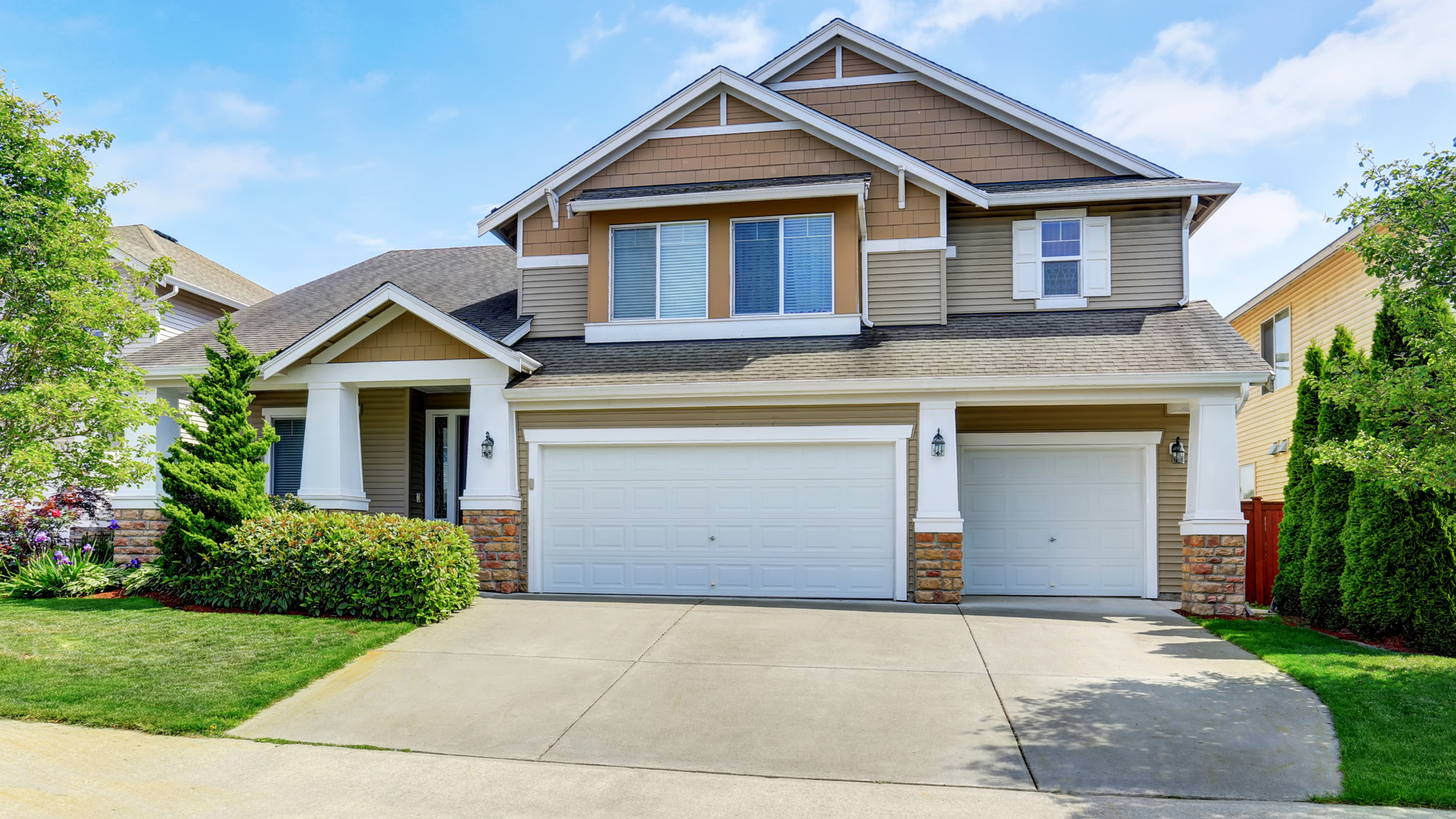
Concrete driveway thickness plays a major role in durability, lifespan, and long-term performance. Many homeowners focus on color, finish, or overall cost first, but slab thickness often determines whether a driveway handles daily use without cracking, settling, or wearing down too early.
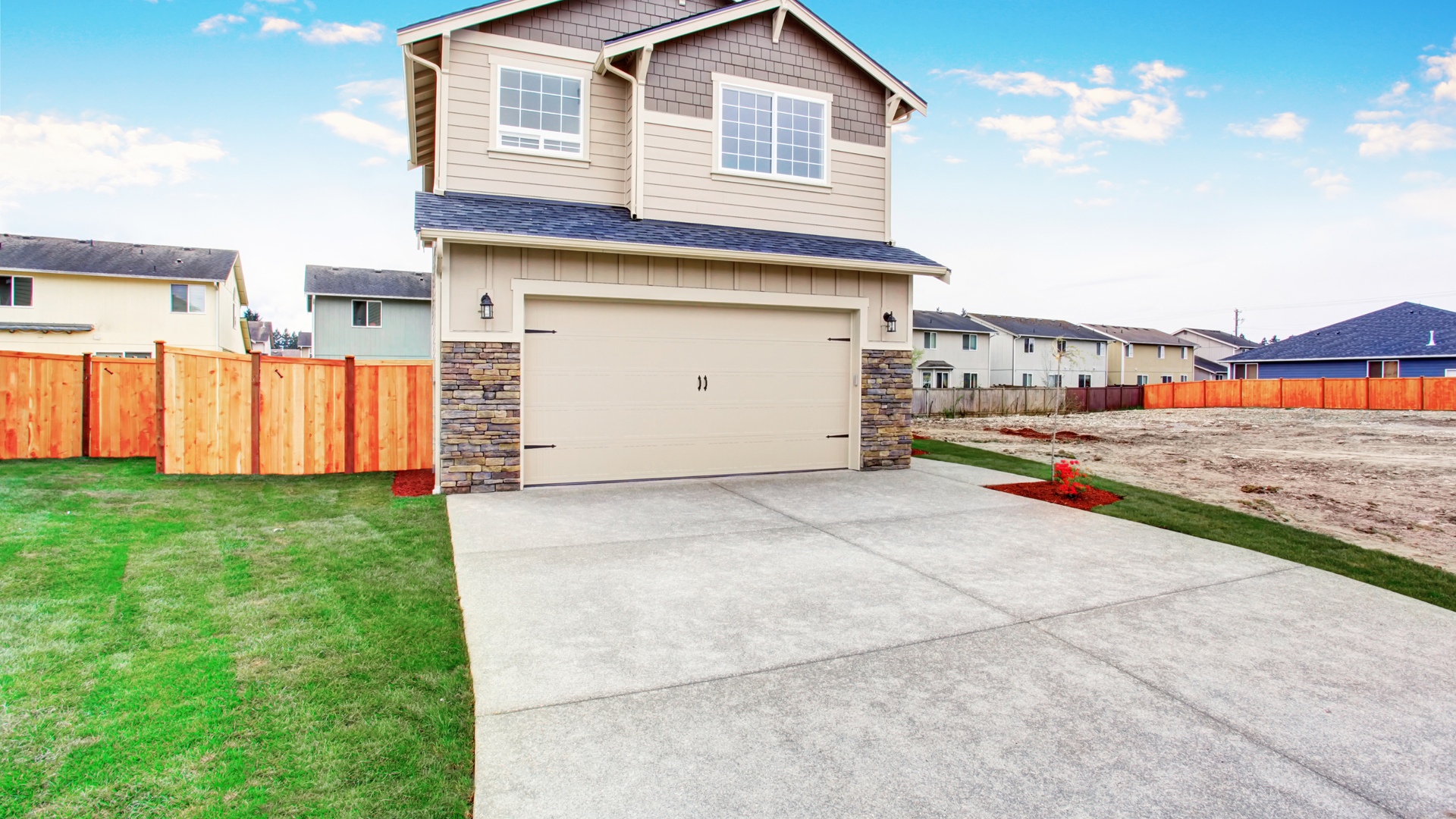
Most residential driveways use four inches of concrete. However, that does not mean every driveway should use the same thickness. Vehicle weight, soil conditions, drainage, and reinforcement all affect what thickness works best for a property.
Choosing the right thickness from the beginning helps prevent structural problems later. It also protects the investment you make in your driveway.
If you are still exploring overall planning and installation considerations, you can also review
concrete driveways in Syracuse for a broader overview.
Standard Concrete Driveway Thickness
For most residential homes, the standard concrete driveway thickness is:
- 4 inches for standard passenger vehicles
- 5 inches for heavier pickup trucks or SUVs
- 6 inches for RVs, trailers, or heavy equipment
These recommendations assume the driveway also includes proper base preparation and reinforcement.
Concrete thickness works together with:
- Soil stability
- Drainage
- Reinforcement
- Installation quality
A thick slab alone does not guarantee long-term durability.
Why Thickness Matters
Thickness affects how much weight the concrete can support without cracking or shifting.
A properly sized slab helps:
- Distribute vehicle weight evenly
- Resist cracking under stress
- Reduce settling
- Improve long-term lifespan
Thin concrete often develops problems earlier because it flexes more under pressure.
4-Inch vs 6-Inch Concrete Driveways
Many homeowners ask whether upgrading from four inches to six inches is worth it.
The answer depends on how the driveway will be used.
4-Inch Driveways
A four-inch driveway works well for:
- Sedans
- Compact SUVs
- Light residential traffic
This is the most common thickness used for standard homes.
Benefits of 4-Inch Concrete
- Lower upfront cost
- Faster installation
- Works well for normal vehicle use
Limitations
- Less support for heavy vehicles
- More stress under concentrated loads
- Higher risk of cracking if the base is weak
6-Inch Driveways
A six-inch slab provides significantly more strength.
This thickness works best for:
- RV parking
- trailers
- large trucks
- heavy equipment
- multi-vehicle households
Benefits of 6-Inch Concrete
- Better load capacity
- Stronger long-term durability
- Reduced cracking under heavy weight
Limitations
- Higher material cost
- Longer installation process
- More concrete required
For some properties, the additional strength justifies the higher cost.
Thickness Comparison Table
| Vehicle Type | Recommended Thickness |
|---|---|
| Standard Passenger Cars | 4 inches |
| SUVs and Pickup Trucks | 5 inches |
| RVs and Heavy Vehicles | 6 inches |
| Commercial Equipment | 6+ inches |
This table provides a general guideline. Final recommendations depend on the property and intended use.
What Happens If a Driveway Is Too Thin?
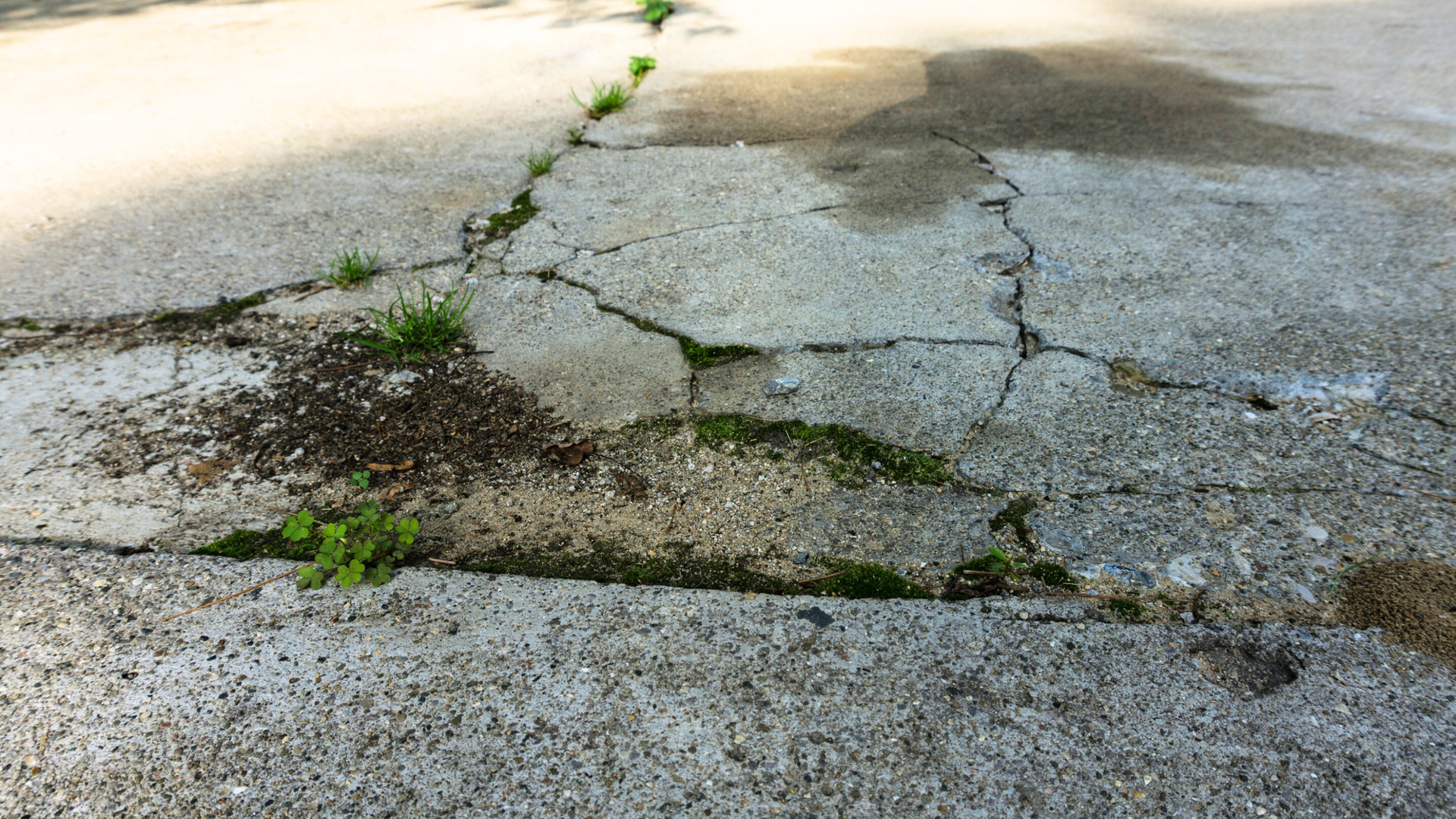
Concrete that is too thin often develops problems earlier than expected.
Common issues include:
- Cracking
- Settling
- Edge failure
- Surface stress
- Reduced lifespan
Thin slabs flex more under vehicle weight. Over time, repeated pressure weakens the concrete and the base underneath it.
In colder climates, thin concrete may also experience more freeze-thaw damage because moisture affects the slab more easily.
How Vehicle Weight Affects Thickness
Vehicle weight matters more than many homeowners realize.
A compact car may weigh around:
3,000 pounds
A large pickup truck may weigh:
6,000 to 8,000 pounds
An RV may exceed:
10,000 pounds
Repeated heavy loads place additional stress on concrete surfaces. The slab must be thick enough to handle that pressure consistently over time.
Reinforcement and Thickness Work Together
Thickness alone does not prevent cracking. Reinforcement strengthens the slab and distributes stress more evenly.
Common reinforcement options include:
- Rebar
- Wire mesh
- Fiber additives
Most driveways benefit from reinforcement, especially when heavier vehicles are involved.
Homeowners who want to understand structural support in more detail can review concrete driveway thickness and reinforcement in Syracuse.
Why Base Preparation Matters
Even thick concrete can fail if the base underneath it is unstable.
The base supports the slab and helps distribute weight evenly. Without proper preparation, the driveway may settle or crack regardless of thickness.
Good base preparation usually includes:
- Excavating unstable soil
- Adding compacted gravel
- Grading for drainage
- Compacting in layers
Proper preparation helps extend the lifespan of the driveway significantly.
Soil Conditions Can Affect Thickness Needs
Not all soil behaves the same way.
Some soil types expand and shrink depending on moisture levels. Others drain poorly or shift over time.
In areas like Syracuse, Utah, seasonal moisture and freeze-thaw cycles can affect soil stability. Contractors often adjust thickness and reinforcement recommendations based on these local conditions.
Drainage Also Impacts Driveway Performance
Water affects concrete performance just as much as thickness.
Poor drainage can:
- Weaken the base
- Increase freeze-thaw stress
- Create settling
- Shorten driveway lifespan
Proper slope and water management help protect the slab from long-term damage.

Does Thicker Concrete Last Longer?
In many cases, yes.
Thicker concrete generally:
- Handles stress better
- Resists cracking more effectively
- Supports heavier vehicles longer
However, thickness must work together with:
- Reinforcement
- Drainage
- Installation quality
- Maintenance
A poorly installed six-inch driveway may still fail earlier than a properly installed four-inch driveway.
For long-term performance expectations, homeowners can review
how long concrete driveways last in Syracuse.
How Thickness Affects Cost
Thicker slabs require:
- More concrete
- Additional labor
- More reinforcement
This increases the overall installation cost.
For example:
A 6-inch slab uses about 50% more concrete than a 4-inch slab. That difference becomes significant on larger driveways. Still, thicker concrete often reduces future repair costs when heavy vehicles are involved.
For more pricing information, see concrete driveway cost in Syracuse.
Common Thickness Mistakes Homeowners Make
Many driveway issues begin because the slab thickness does not match the actual use of the driveway.
Common mistakes include:
- Installing 4 inches for RV parking
- Skipping reinforcement to reduce cost
- Ignoring soil conditions
- Focusing only on appearance instead of structure
These decisions may lower upfront cost but increase the chance of long-term problems.
Signs a Driveway May Be Too Thin
Some signs suggest the slab may not be thick enough for the load it supports.
Watch for:
- Recurring cracks
- Sinking near tire paths
- Edge breaking
- Surface stress around parked vehicles
If these issues continue, the slab may lack sufficient structural support.
Homeowners dealing with these conditions can review
concrete driveway repair vs replacement in Syracuse.
How Contractors Determine the Right Thickness
Professional contractors evaluate several factors before recommending slab thickness.
These include:
- Vehicle type
- Driveway size
- Soil condition
- Drainage patterns
- Reinforcement needs
The goal is to match the driveway structure to the real demands of the property.
Is Thicker Always Better?
Not necessarily.
A thicker slab helps in many situations, but overbuilding can increase cost without adding meaningful value for light residential use.
For example:
A standard home with compact vehicles may not benefit from a 6-inch slab The best approach balances:
- Durability
- Intended use
- Budget
- Soil conditions
Final Thoughts
Concrete driveway thickness directly affects durability, strength, and long-term performance. While four inches works for many residential homes, heavier vehicles and unstable soil may require thicker slabs and stronger reinforcement.
Proper installation matters just as much as slab depth. Base preparation, drainage, reinforcement, and curing all contribute to long-term driveway performance.
Understanding these factors helps homeowners make better decisions before installation and avoid structural problems later.
Your Next Step
At Northmen Concrete, we help homeowners choose the right driveway thickness based on vehicle load, soil conditions, drainage, and long-term performance goals.
If you are planning a new driveway or replacing an older one, we can evaluate your property and recommend the right structural approach for your needs.
We work with homeowners throughout Syracuse and nearby areas to install concrete driveways designed for durability and long-term performance.
Contact Northmen Concrete today to schedule your driveway consultation and get expert recommendations for your property.