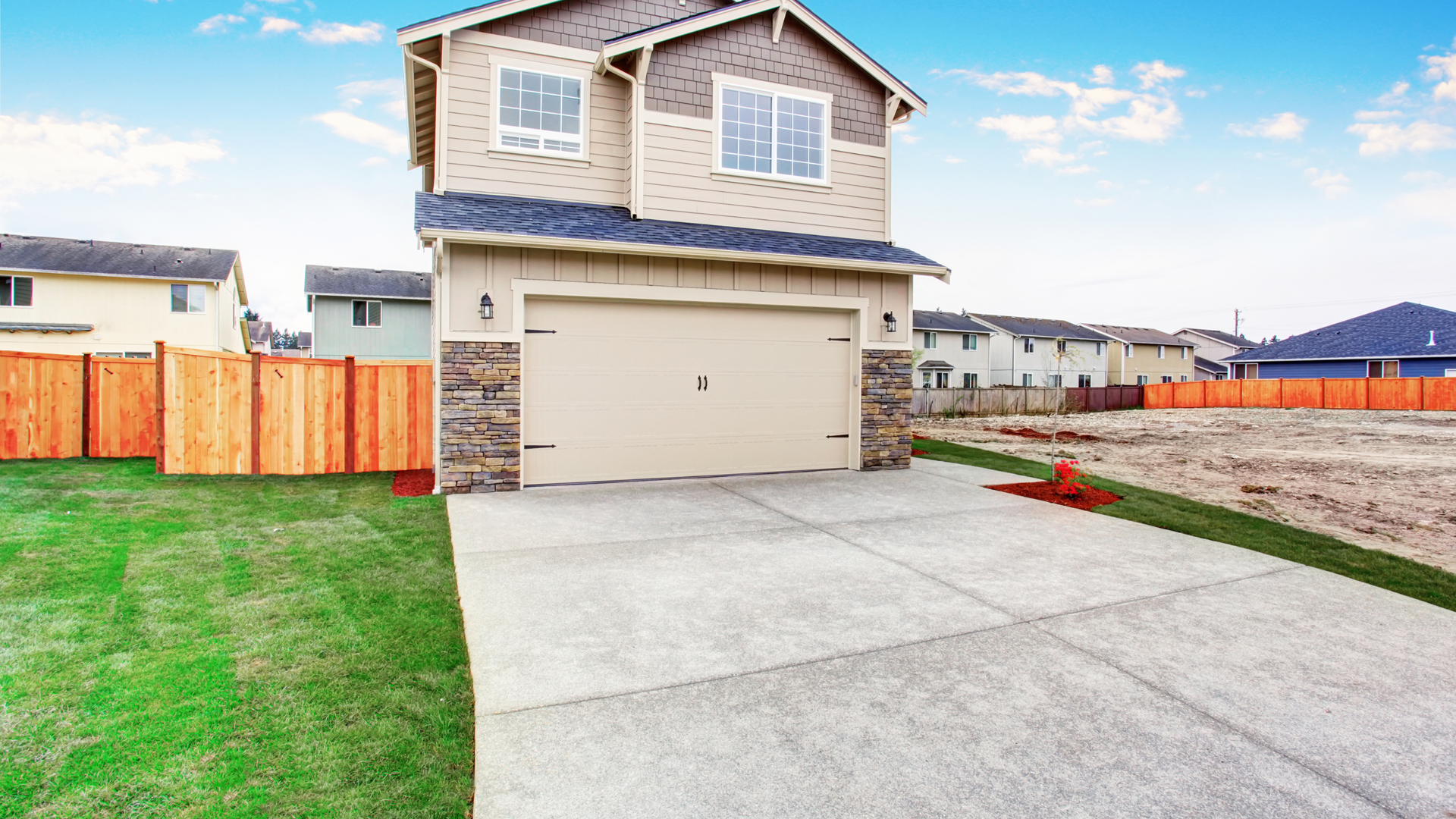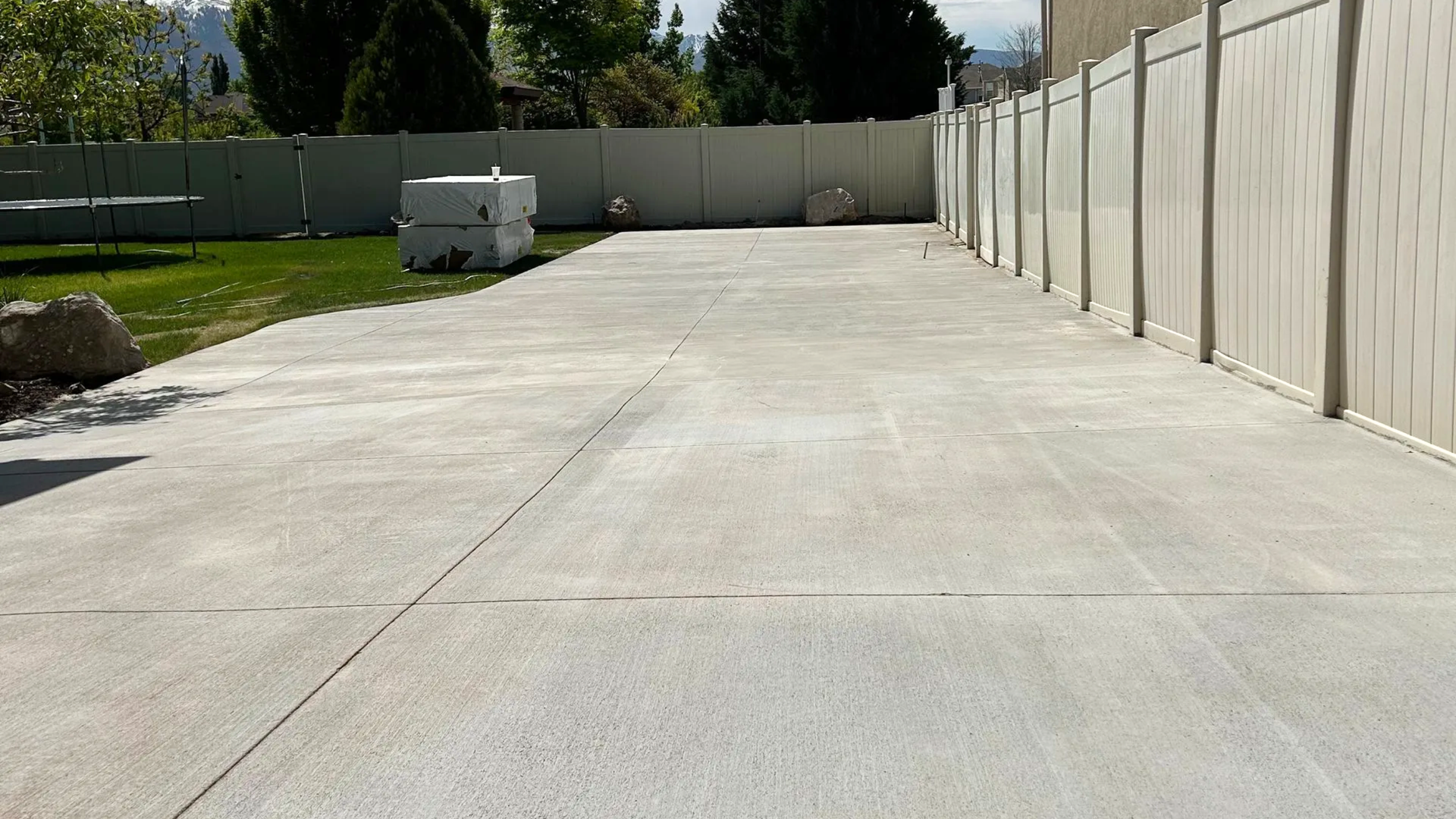
How Long Do Concrete Driveways Last in Syracuse?
Concrete driveways represent one of the most common and durable driveway choices for homes in Syracuse, Utah. Many homeowners choose concrete because it offers strength, clean appearance, and long-term performance in residential settings. Still, before investing in a new driveway, most people want to understand one key question: how long will it last?
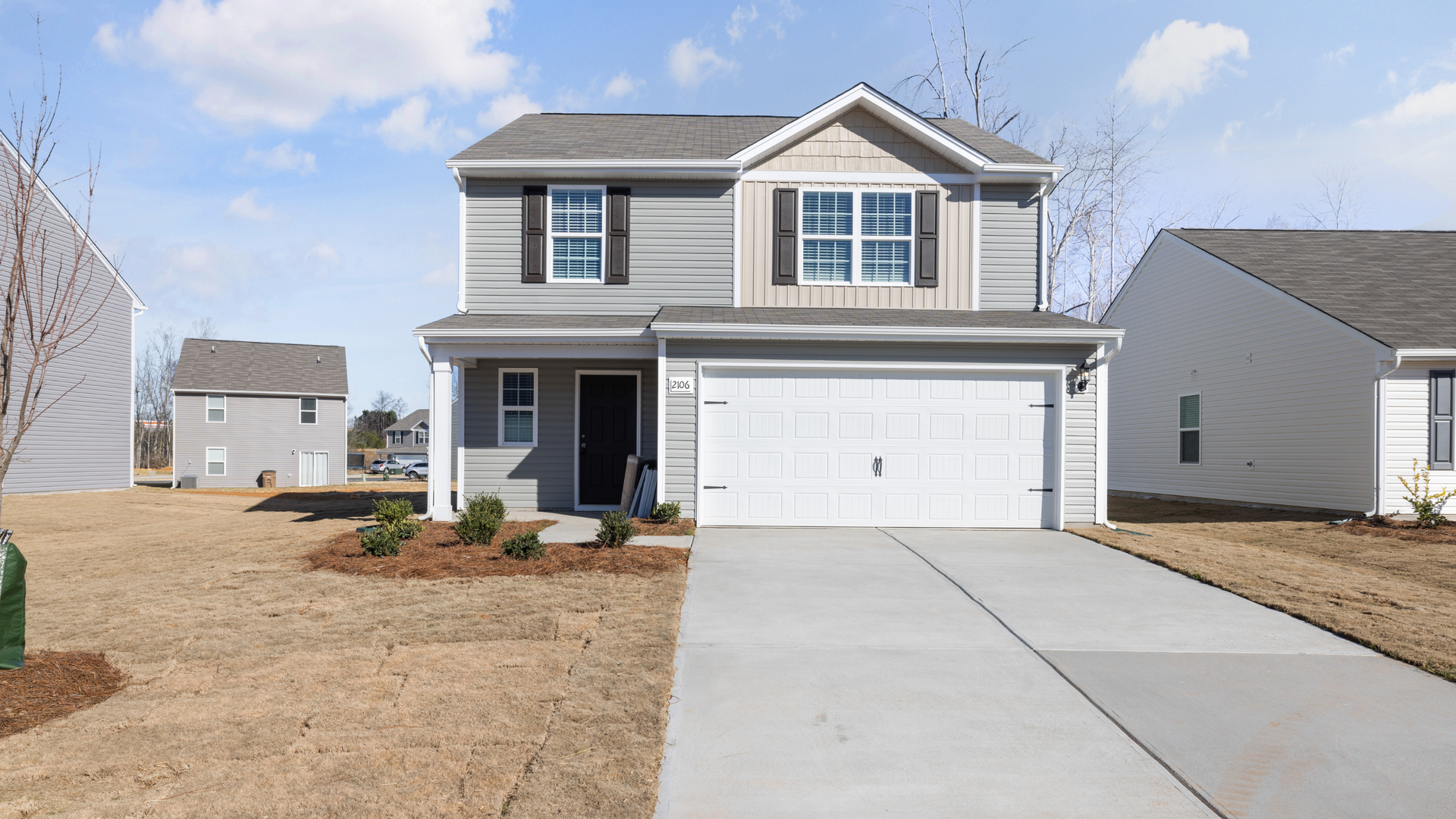
The answer depends on several factors. Concrete quality, installation methods, base preparation, climate conditions, and maintenance practices all influence how long a driveway performs well. When installed correctly and maintained properly, concrete driveways can serve homeowners for decades.
This guide explains the typical lifespan of concrete driveways in Syracuse, what factors influence durability, and how homeowners can protect their investment over time.
For a broader overview of planning and installing new driveways, you can also read our guide on concrete driveways in Syracuse.
Average Lifespan of Concrete Driveways
Concrete driveways typically last between 25 and 40 years in residential environments. In some cases, a well-installed driveway may last even longer when soil conditions remain stable and maintenance occurs regularly.
The wide lifespan range exists because many variables affect how concrete performs over time. Some driveways last several decades with minimal repairs, while others may develop issues sooner if installation or drainage problems occur.
Several factors determine whether a driveway performs closer to the 25-year range or the 40-year range.
Factors That Influence Concrete Driveway Lifespan
Concrete durability depends on more than the surface material. The structural layers beneath the driveway, the reinforcement inside the slab, and environmental conditions all influence long-term performance.
Understanding these variables helps homeowners make informed decisions before installation.
Installation Quality
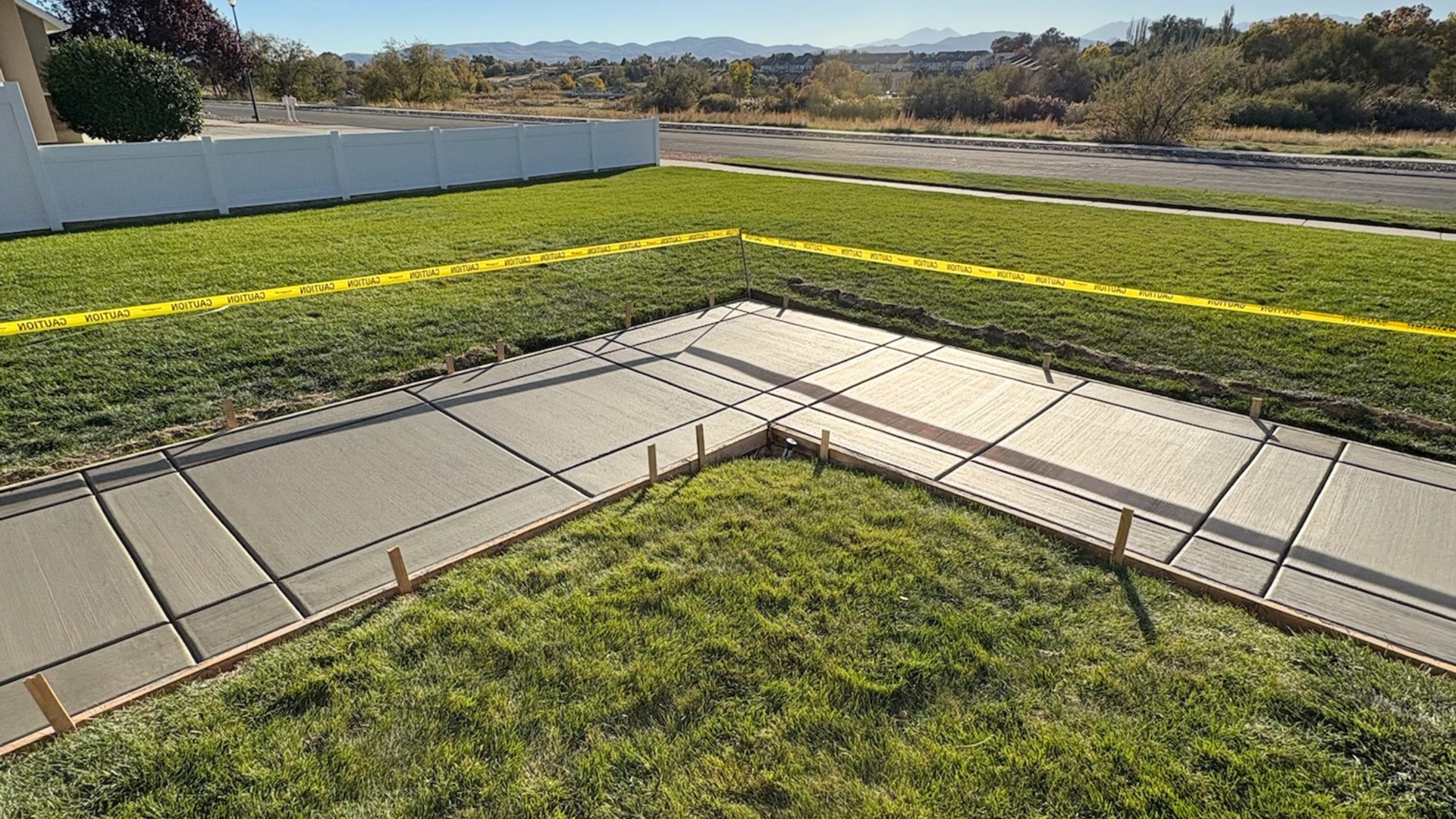
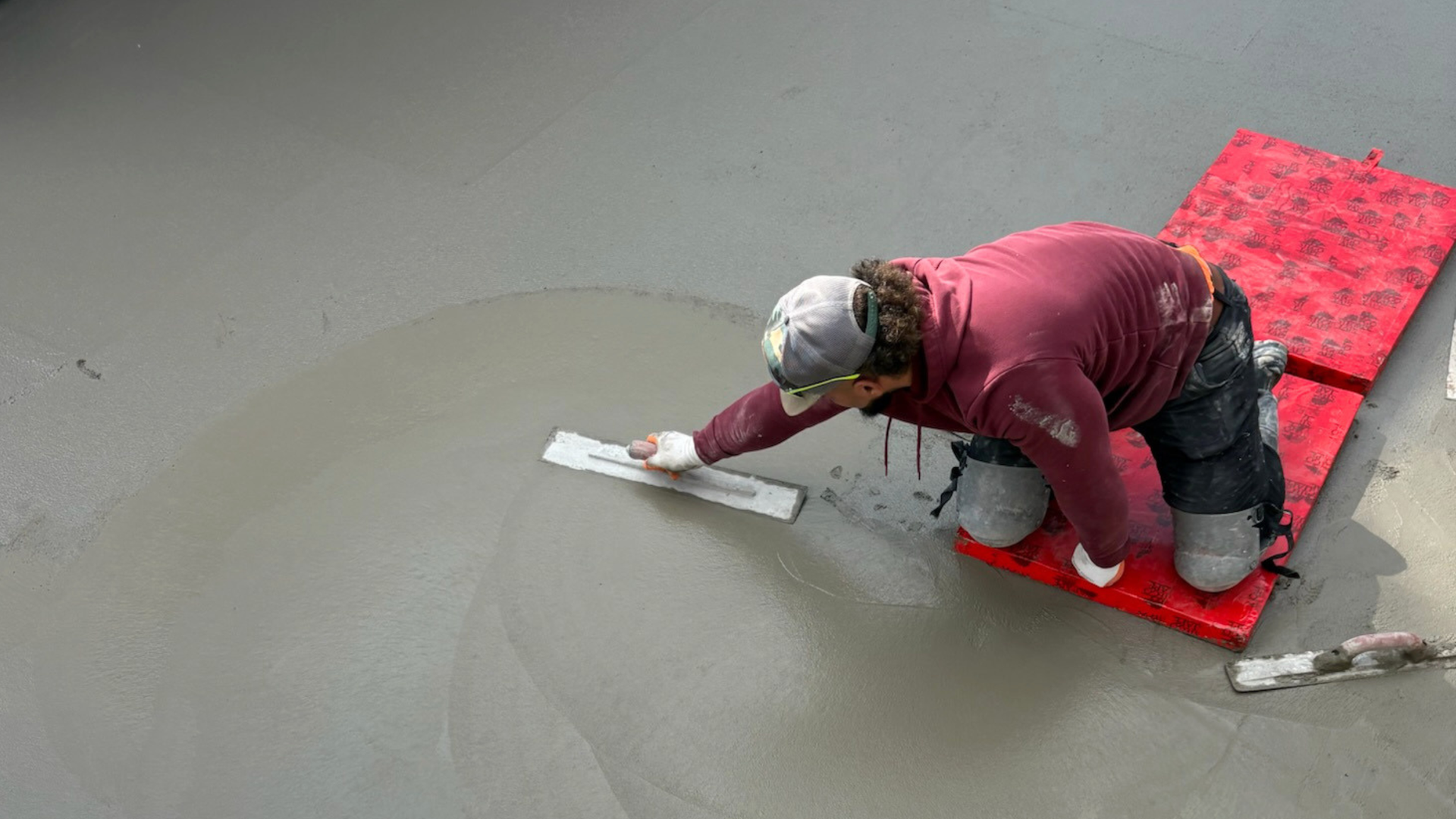
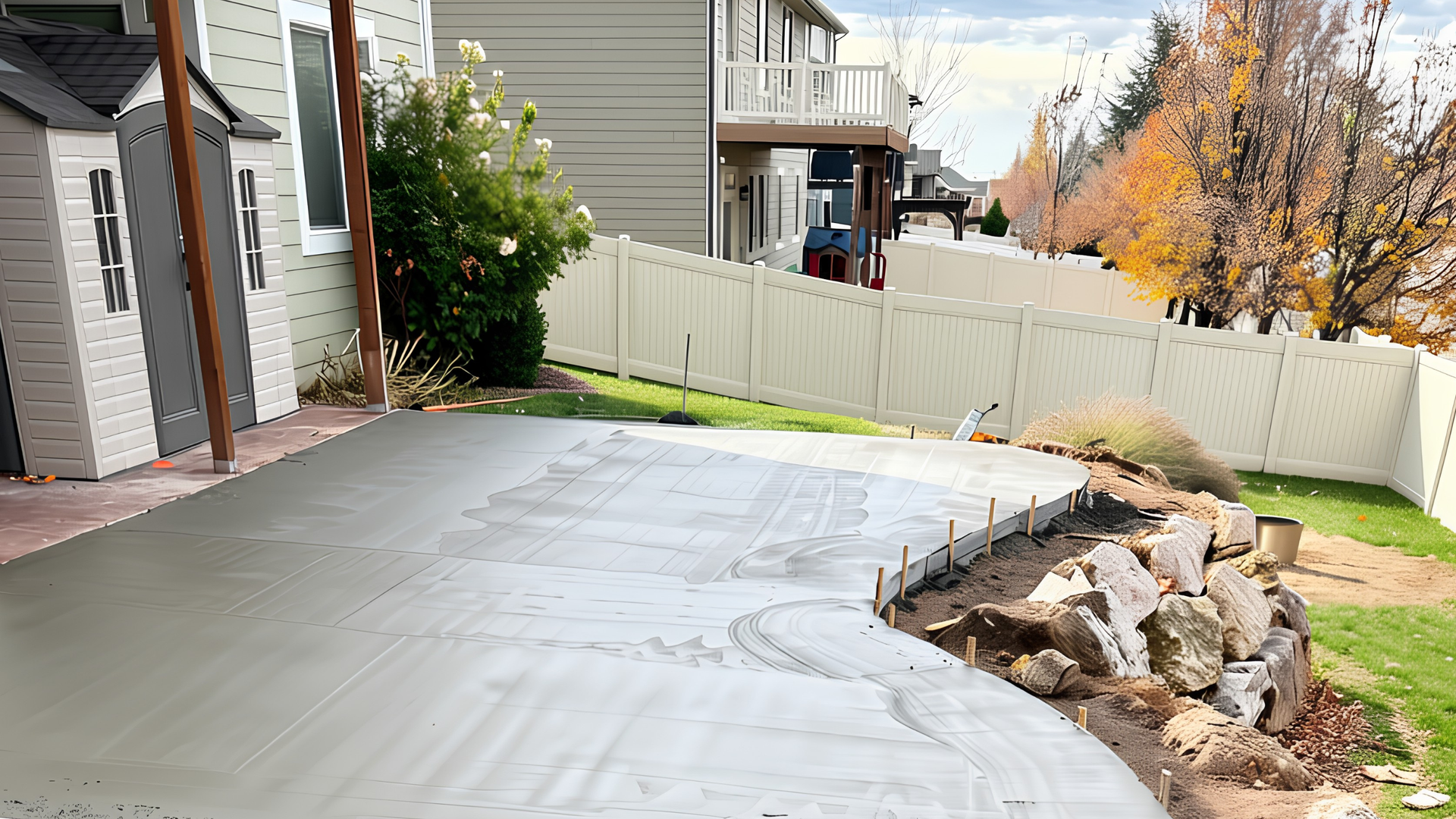
Professional installation plays one of the biggest roles in determining lifespan. Contractors must carefully prepare the site, install the correct base, and pour the slab at the appropriate thickness.
Proper installation includes:
- Site excavation and soil stabilization
- Gravel base preparation
- Reinforcement placement
- Correct concrete mix selection
- Proper curing during the first days after installation
Homeowners interested in learning more about the construction process can review concrete driveway installation in Syracuse to understand how each step contributes to durability.
Base Preparation
The base beneath the concrete supports the entire structure. If the soil beneath the slab shifts, the concrete above may crack or settle unevenly.
A stable base normally includes compacted gravel that allows water to drain while providing structural support. Proper compaction prevents future movement and improves overall driveway lifespan.
Slab Thickness and Reinforcement
Concrete thickness and reinforcement help the driveway withstand vehicle loads and environmental stress.
Most residential driveways use four inches of concrete thickness. Heavier vehicles, such as trucks or recreational vehicles, often require thicker slabs and stronger reinforcement.
Rebar or wire mesh also strengthens the slab and distributes loads across the surface.
Homeowners can learn more about these structural factors in concrete driveway thickness and reinforcement in Syracuse.
Drainage and Water Control
Water often causes driveway damage when drainage is not planned correctly. Standing water increases the chance of freeze damage, erosion, and base instability.
Proper slope and drainage systems allow water to move away from the driveway surface. When water flows away efficiently, the concrete remains stronger for a longer period.
Weather and Climate Conditions
Syracuse experiences seasonal temperature changes that affect concrete surfaces. Winter freeze-thaw cycles can create stress within small cracks if water penetrates the slab.
Snow, ice, and de-icing chemicals may also affect surface appearance over time.
Despite these conditions, concrete remains one of the most durable driveway materials available for Utah homes.
Lifespan Comparison: Concrete vs Other Driveway Materials
Many homeowners compare different driveway materials when planning a new installation. The table below compares typical lifespan expectations for several common driveway surfaces.
| Driveway Material | Average Lifespan | Maintenance Needs | Typical Appearance |
|---|---|---|---|
| Concrete | 25–40 years | Low to moderate | Clean, customizable |
| Asphalt | 15–25 years | Higher maintenance | Dark, uniform |
| Gravel | 5–10 years | Frequent maintenance | Rustic, loose surface |
| Pavers | 30–40 years | Moderate maintenance | Decorative |
Concrete remains a popular choice because it combines durability, appearance, and relatively low maintenance requirements.
Common Issues That Can Shorten Driveway Lifespan
Even strong materials may develop problems if installation or environmental conditions create stress on the surface.
Understanding potential issues helps homeowners address problems early.
Cracking
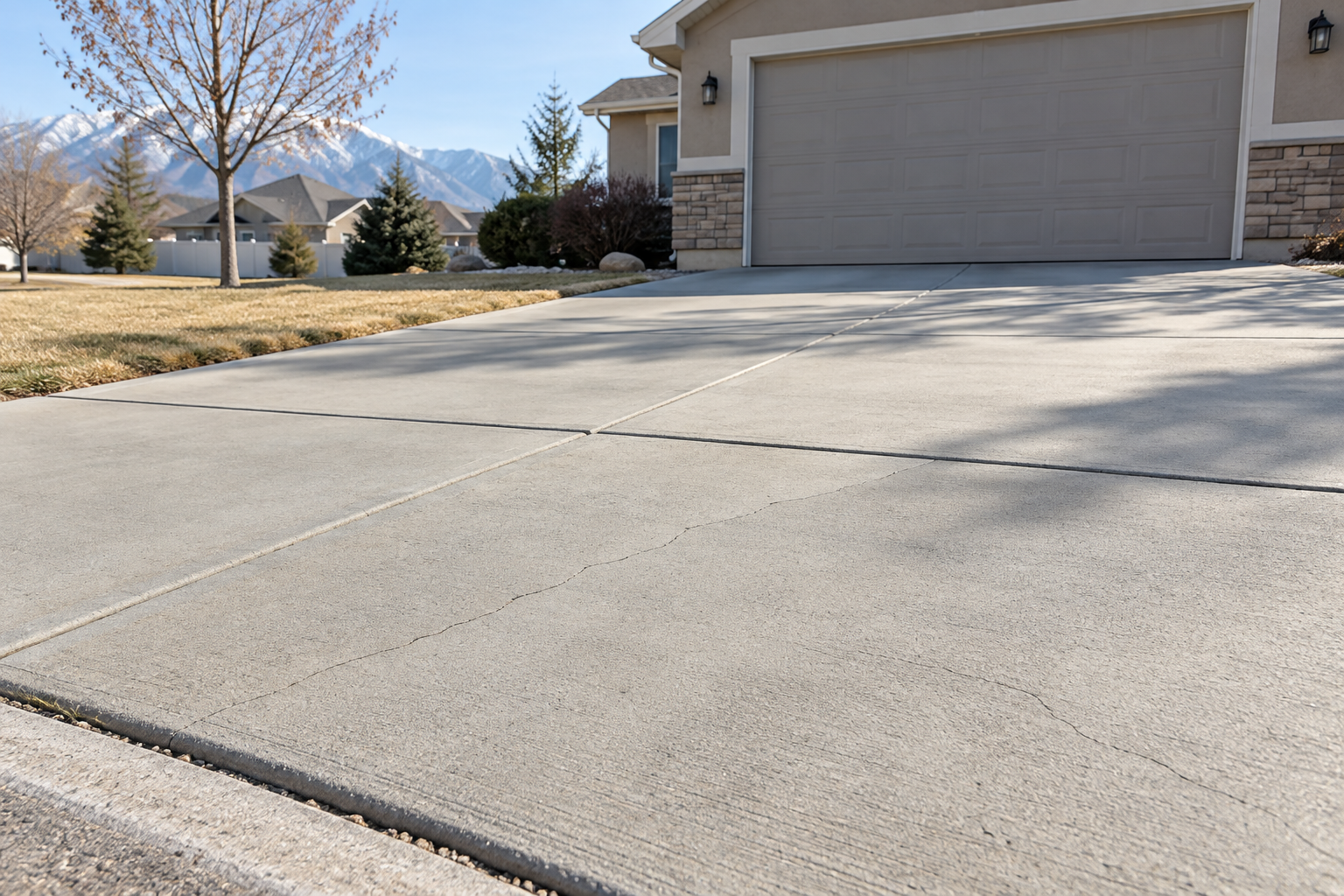
Small cracks can appear as concrete expands and contracts with temperature changes. Minor cracking is common and often cosmetic.
Large or spreading cracks may indicate base movement or structural stress.
Settling or Sinking
Driveways sometimes settle when the soil beneath the slab shifts or erodes. Poor base preparation often contributes to these problems.
Uneven sections may develop if water washes away soil beneath the concrete.
Surface Scaling
Surface scaling occurs when the top layer of concrete begins to flake or chip away. Freeze-thaw cycles and de-icing chemicals often contribute to this issue.
Proper sealing and maintenance can help reduce scaling.
Edge Damage
Driveway edges sometimes experience chipping or cracking. Edges often carry more stress because they lack support from surrounding concrete.
Parking heavy vehicles near the edge may increase the risk of damage.
When problems begin to develop, homeowners can evaluate repair options by reviewing concrete driveway repair vs replacement in Syracuse.
How Maintenance Extends Concrete Driveway Lifespan
Maintenance plays an important role in extending driveway life. Concrete requires less upkeep than many other materials, but periodic care helps preserve the surface.
Routine maintenance steps include:
- Cleaning debris and dirt buildup
- Sealing the driveway every few years
- Addressing small cracks early
- Avoiding excessive weight near edges
Sealing protects the surface from moisture and staining. It also reduces the chance of water entering small cracks during freezing temperatures.
For a detailed maintenance guide, homeowners can review concrete driveway maintenance in Syracuse.
Signs Your Concrete Driveway Is Aging
Most driveways show gradual signs of wear as they approach the end of their lifespan.
Common indicators include:
- Widespread cracking across the surface
- Uneven sections or sinking areas
- Surface scaling or erosion
- Poor drainage after rainfall
These conditions do not always require full replacement immediately. However, they often signal that structural wear has developed over time.
A professional evaluation can determine whether repair or replacement offers the best long-term solution.
Design Choices That Influence Longevity
Driveway design decisions also influence lifespan. Certain features improve durability and reduce stress on the surface.
Examples include:
- Proper expansion joints to control cracking
- Reinforced edges for strength
- Adequate driveway thickness
- Decorative finishes that resist wear
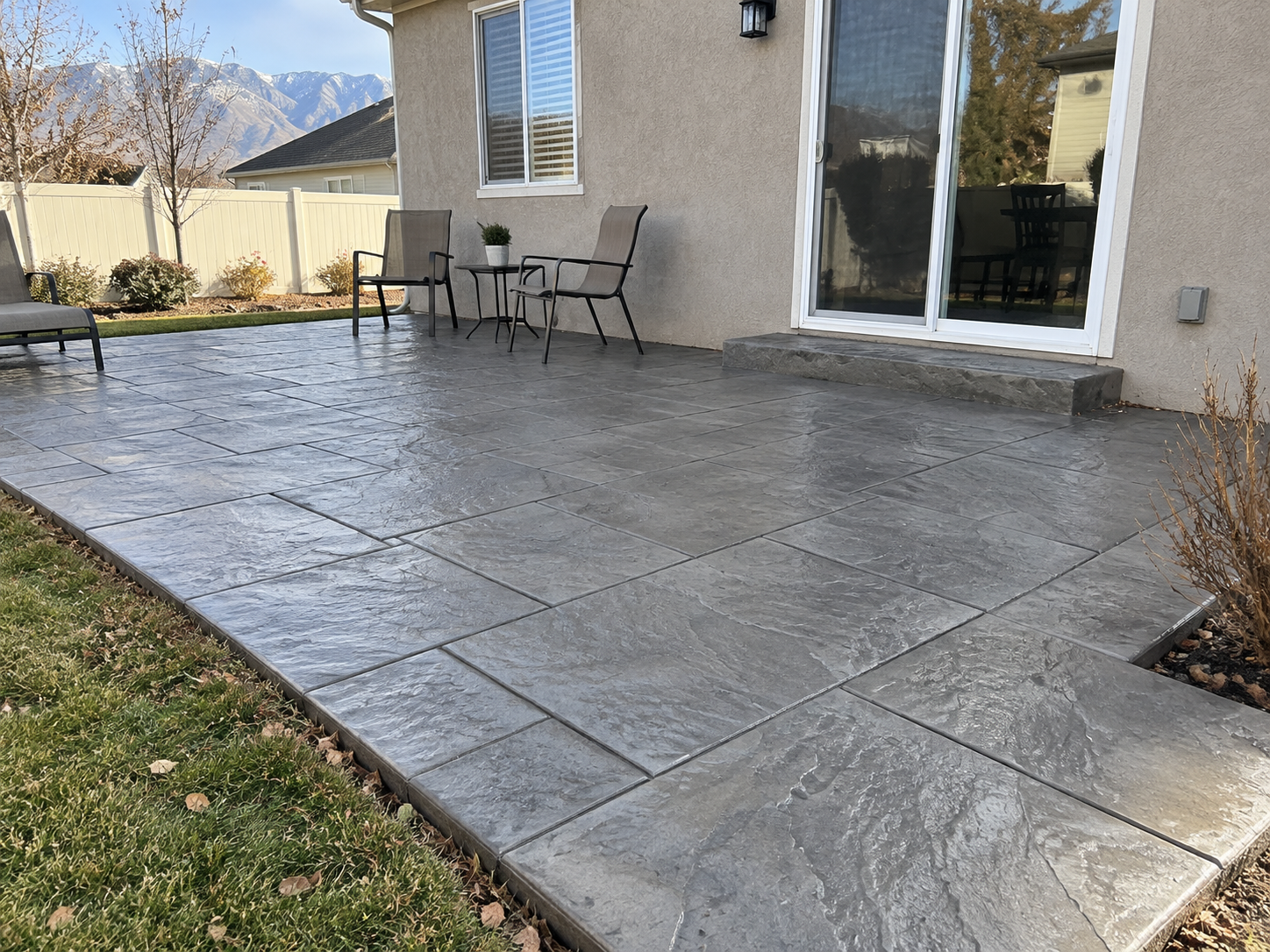
Some homeowners choose decorative finishes such as stamped or colored concrete to enhance curb appeal.
These finishes may require slightly more maintenance but can improve the appearance of the driveway significantly.
Homeowners exploring visual design options can review concrete driveway design options in Syracuse.
Planning for Long-Term Driveway Performance
Homeowners who plan for long-term durability often consider several factors before installation.
These include:
- Expected vehicle weight
- Driveway size and layout
- Soil conditions on the property
- Drainage requirements
- Maintenance expectations
Contractors evaluate these factors to recommend appropriate materials and installation methods.
Early planning helps prevent costly problems later and ensures the driveway performs well for many years.
Cost vs Lifespan Considerations
Concrete driveways typically cost more upfront than materials such as asphalt or gravel. However, their longer lifespan often provides greater long-term value.
For example, asphalt driveways often require resurfacing every several years. Gravel driveways may require frequent leveling and replenishment.
Concrete driveways generally require fewer repairs and maintain a cleaner appearance over time.
Homeowners interested in project pricing can explore concrete driveway cost in Syracuse to better understand how installation factors affect total investment.
Why Concrete Remains a Reliable Choice for Syracuse Homes
Concrete continues to serve as one of the most dependable driveway materials for residential properties.
Its advantages include:
- Strong load capacity for everyday vehicles
- Long service life when installed correctly
- Multiple decorative design options
- Minimal maintenance compared to many alternatives
When professional installation and routine maintenance occur, concrete driveways can serve homeowners reliably for several decades.
Final Thoughts
Concrete driveways provide long-term durability and reliable performance for homes throughout Syracuse. Most installations last between 25 and 40 years when proper construction methods and maintenance practices are followed.
Factors such as base preparation, slab thickness, reinforcement, drainage, and climate conditions all influence how long a driveway remains in good condition.
Understanding these factors allows homeowners to plan their projects more confidently and choose installation approaches that support long-term performance.
Your Next Step
At Northmen Concrete, we install concrete driveways designed for Syracuse’s climate and soil conditions. Our team focuses on proper base preparation, structural reinforcement, and drainage planning to help each driveway perform reliably for many years.
If you are considering a new driveway or replacing an existing one, we can help you evaluate your options and plan the best solution for your property.
Contact Northmen Concrete today to schedule your driveway consultation and learn more about installing a durable concrete driveway for your home.