Most Common Concrete Driveway Problems (and How to Prevent Them)
Concrete driveways are a strong, long-term option for many homes. They handle daily use well and require less upkeep than many other materials. Even so, problems can develop over time if installation, drainage, or maintenance fall short.
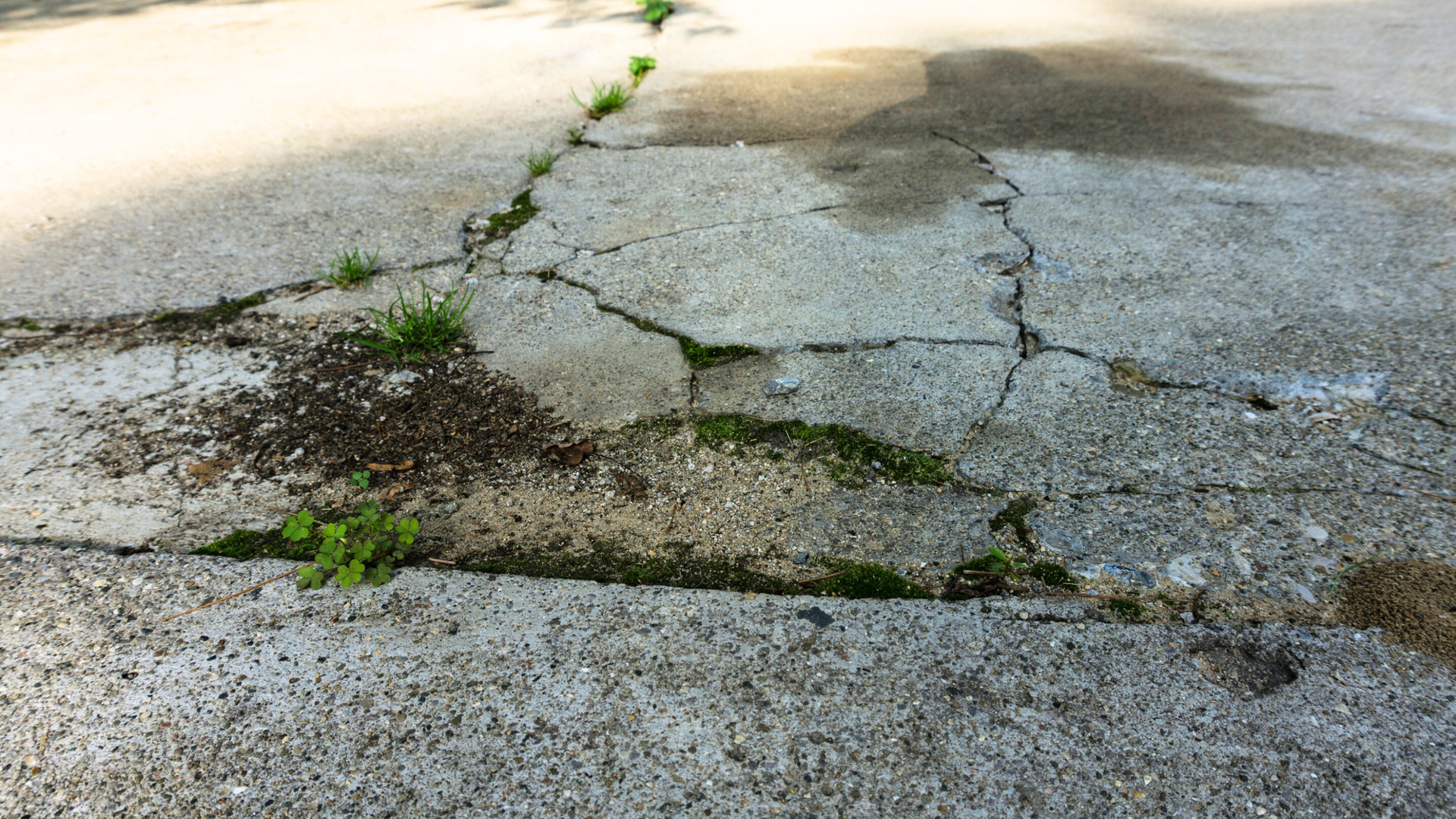
Most issues start small. A thin crack, a low spot, or surface wear may not seem serious at first. These early signs often point to deeper conditions that can worsen if ignored.
This guide explains the most common concrete driveway problems, what causes them, and how to prevent them. The goal is to help you make better decisions before installation and take the right steps if issues appear.
If you are still planning your project, you can also review concrete driveways in Syracuse for a full overview of design, installation, and long-term performance.
Most Common Concrete Driveway Problems
1. Cracking
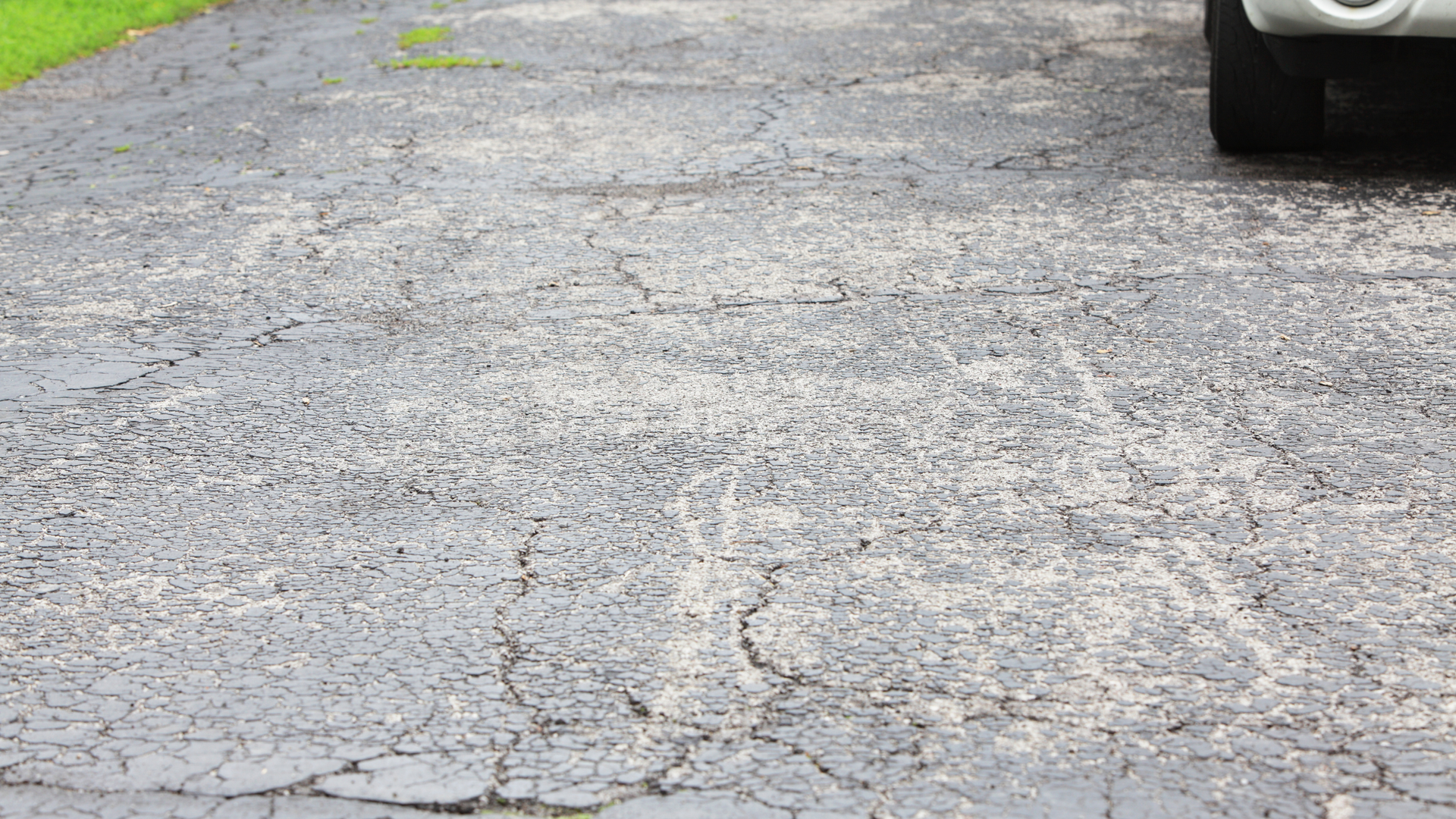
Cracking is the most common concern homeowners notice. Not all cracks mean failure, but understanding the type of crack helps you respond correctly.
Hairline Cracks
Hairline cracks are thin and often appear during curing or seasonal temperature changes. These cracks usually stay small and do not affect structural performance.
They are common in most concrete driveways and are often expected.
Structural Cracks
Structural cracks are wider and may continue to grow. These cracks often point to underlying issues such as:
- Movement in the base
- Lack of reinforcement
- Heavy load stress
Structural cracks allow water to enter the slab, which can lead to further damage over time.
How to Prevent Cracking
Cracking cannot be completely avoided, but it can be controlled.
- Use proper slab thickness for your driveway use
- Install reinforcement such as rebar
- Prepare and compact the base correctly
- Place control joints to guide natural cracking
For a deeper look at structural planning, review our guide on concrete driveway thickness and reinforcement.
2. Settling and Uneven Surfaces
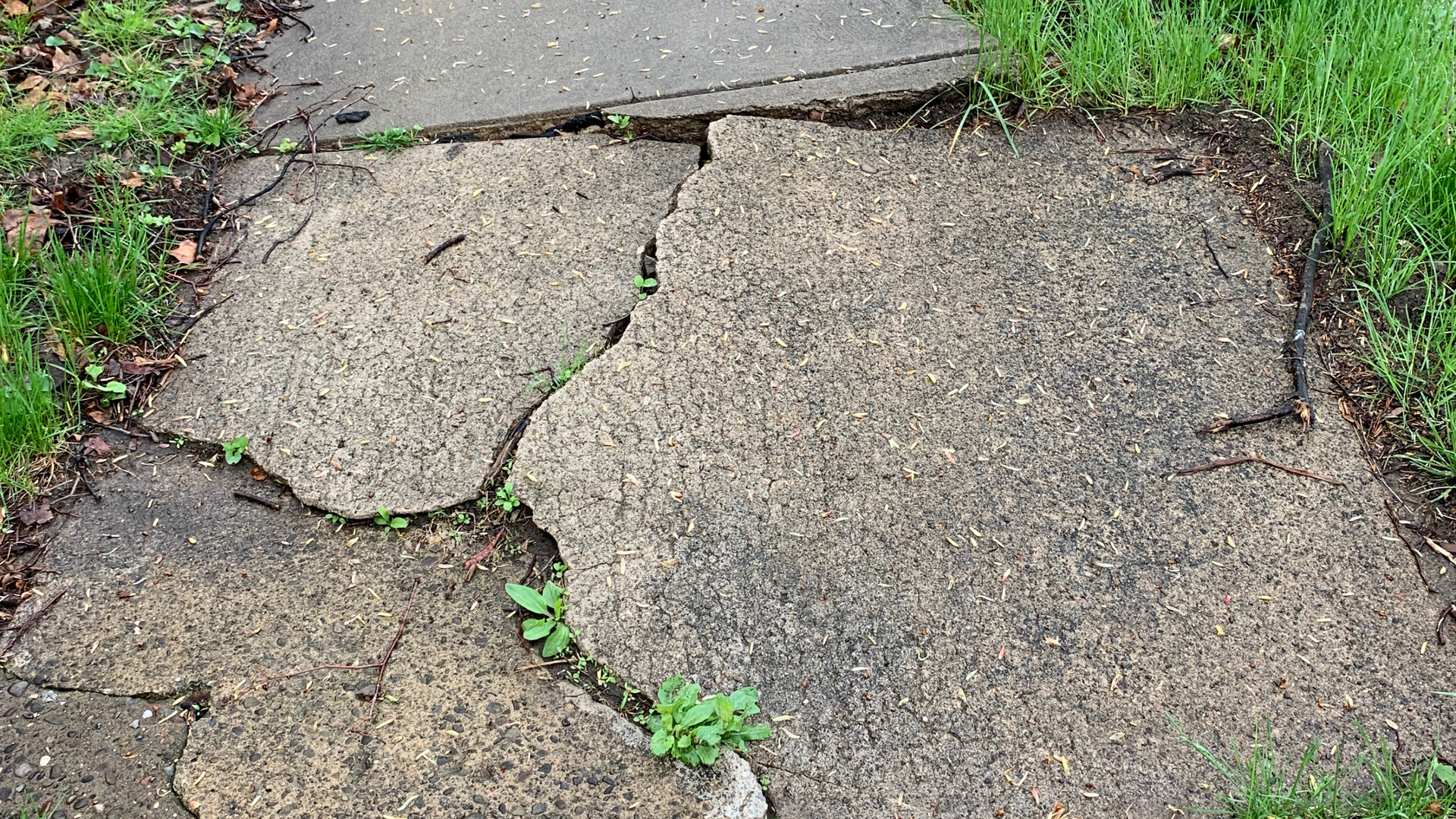
Settling occurs when parts of the driveway sink or shift, creating uneven areas. This often leads to water pooling and surface stress.
Why It Happens
Settling usually comes from changes beneath the slab.
- Poor soil compaction
- Water washing away support under the driveway
- Soil that expands and shrinks with moisture
In areas with changing soil conditions, like Syracuse, this can become more noticeable over time.
How to Prevent Settling
Preventing settling starts before the concrete is poured.
- Remove unstable soil before installation
- Install a properly compacted gravel base
- Manage water flow away from the slab
- Avoid oversaturation from irrigation
If your driveway already shows signs of settling, see concrete driveway repair vs replacement in Syracuse to understand your options.
3. Surface Scaling and Spalling
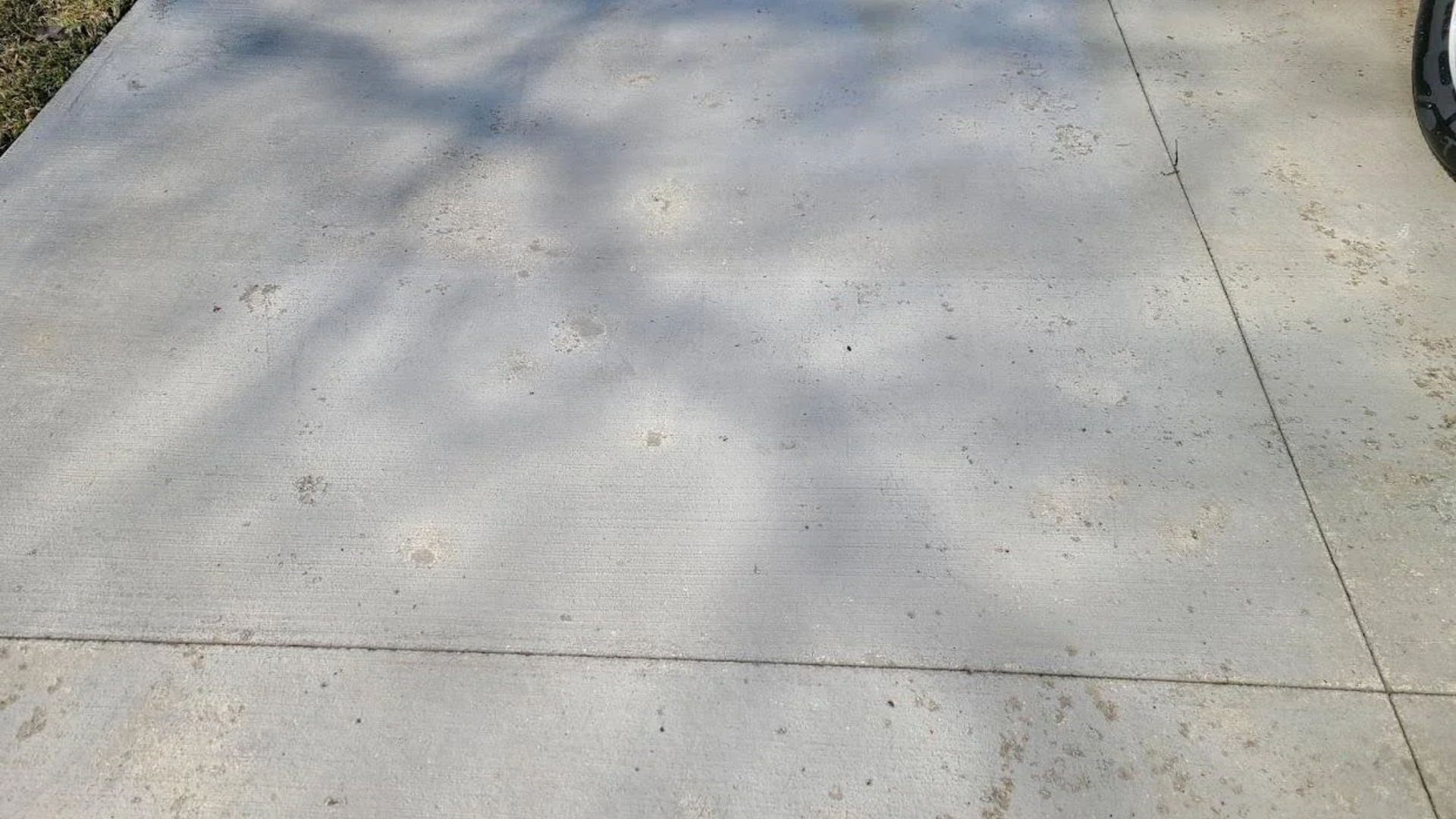
Surface scaling shows up as flaking or peeling on the top layer. Spalling refers to deeper surface damage where small sections break away.
Why It Happens
Surface damage often develops due to:
- Freeze-thaw cycles
- De-icing chemicals
- Poor finishing during installation
- Lack of sealing
In colder climates, repeated freezing and thawing can weaken the surface over time.
How to Prevent Surface Damage
Surface protection is key to long-term durability.
- Seal the driveway every few years
- Avoid harsh chemical de-icers
- Remove snow before it builds up
- Use proper finishing methods during installation
For ongoing care, review our ultimate guide on concrete driveway maintenance.
4. Drainage Problems
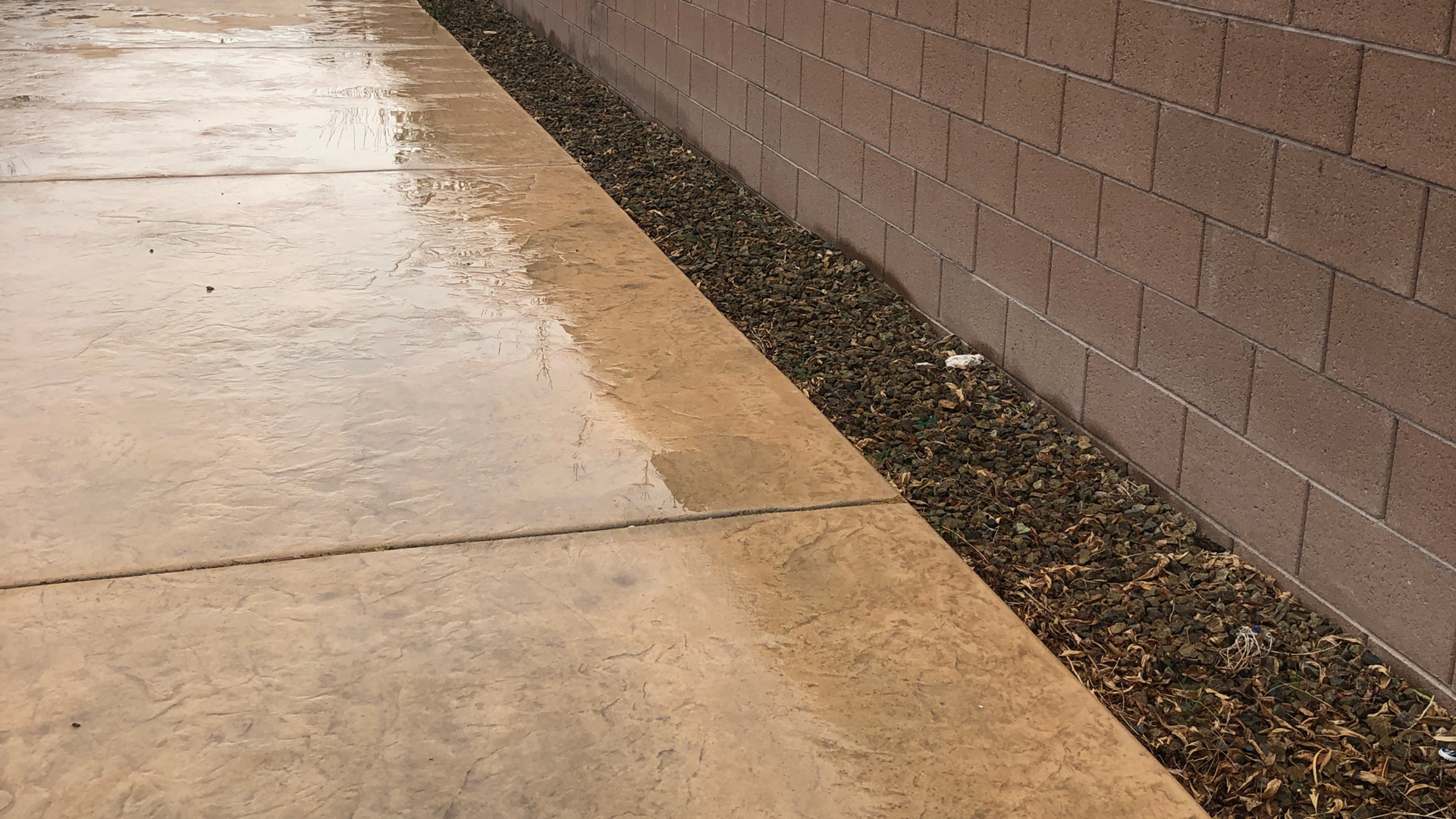
Water is one of the main causes of driveway damage. Poor drainage allows water to collect on or under the concrete.
Signs of Drainage Issues
- Water pooling after rain
- Ice forming in the same area each winter
- Soil erosion near the edges
- Cracks forming in low spots
How to Prevent Drainage Issues
Good drainage protects both the surface and the base underneath.
- Design the driveway with proper slope
- Keep drainage paths clear
- Manage water from nearby landscaping
- Add drainage systems when needed
In climates with snow and seasonal moisture, drainage becomes even more important.
5. Edge Cracking and Chipping
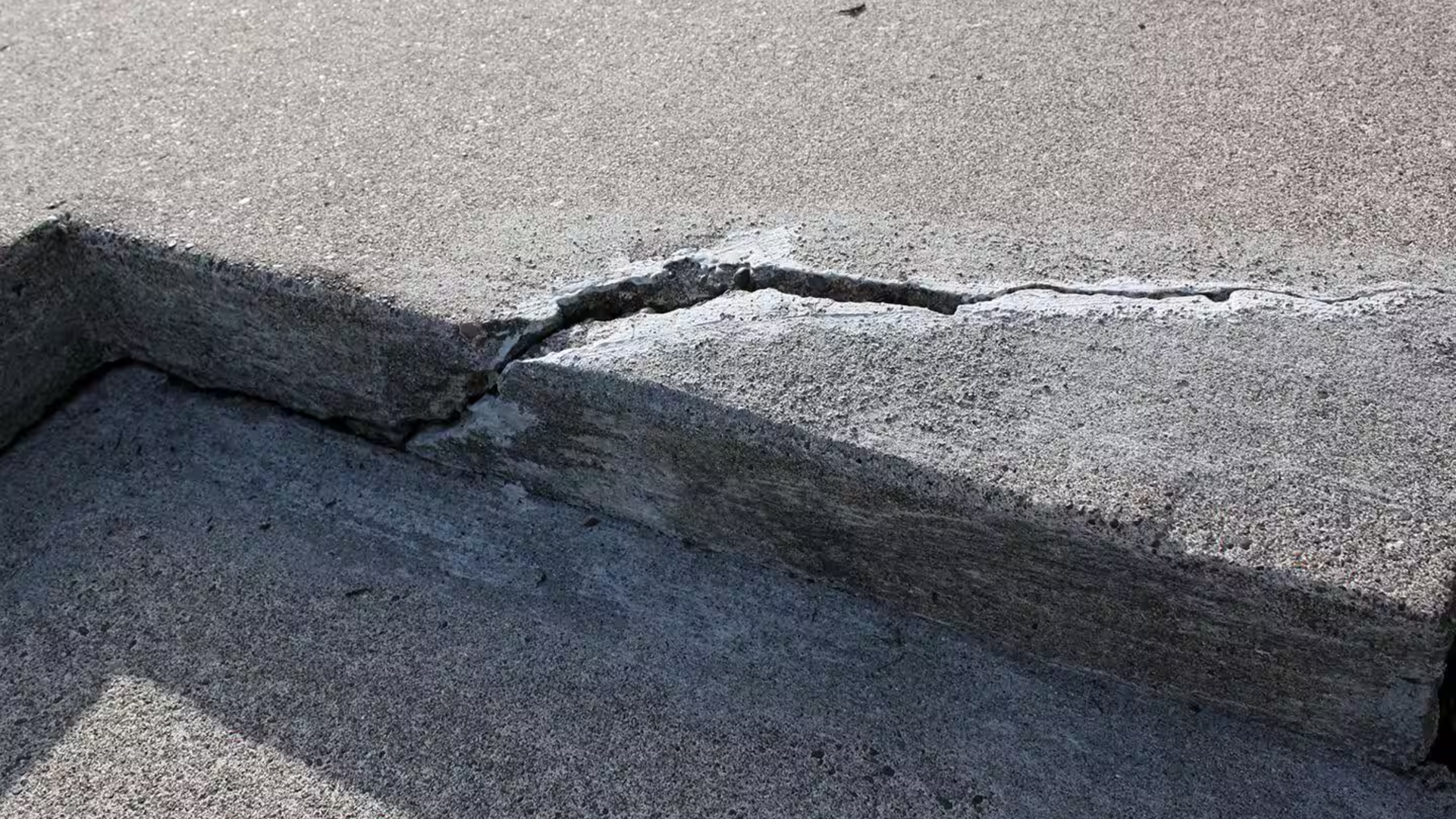
Driveway edges often show damage first. They carry more stress because they are not supported on all sides.
Why It Happens
- Parking or driving near the edges
- Soil erosion around the slab
- Snow removal tools hitting the edges
- Weak edge support
How to Prevent Edge Damage
Protecting edges helps extend the life of the entire driveway.
- Avoid heavy loads near edges
- Maintain soil and landscaping around the driveway
- Reinforce edges during installation
Strong edges reduce the chance of early failure.
6. Staining and Discoloration
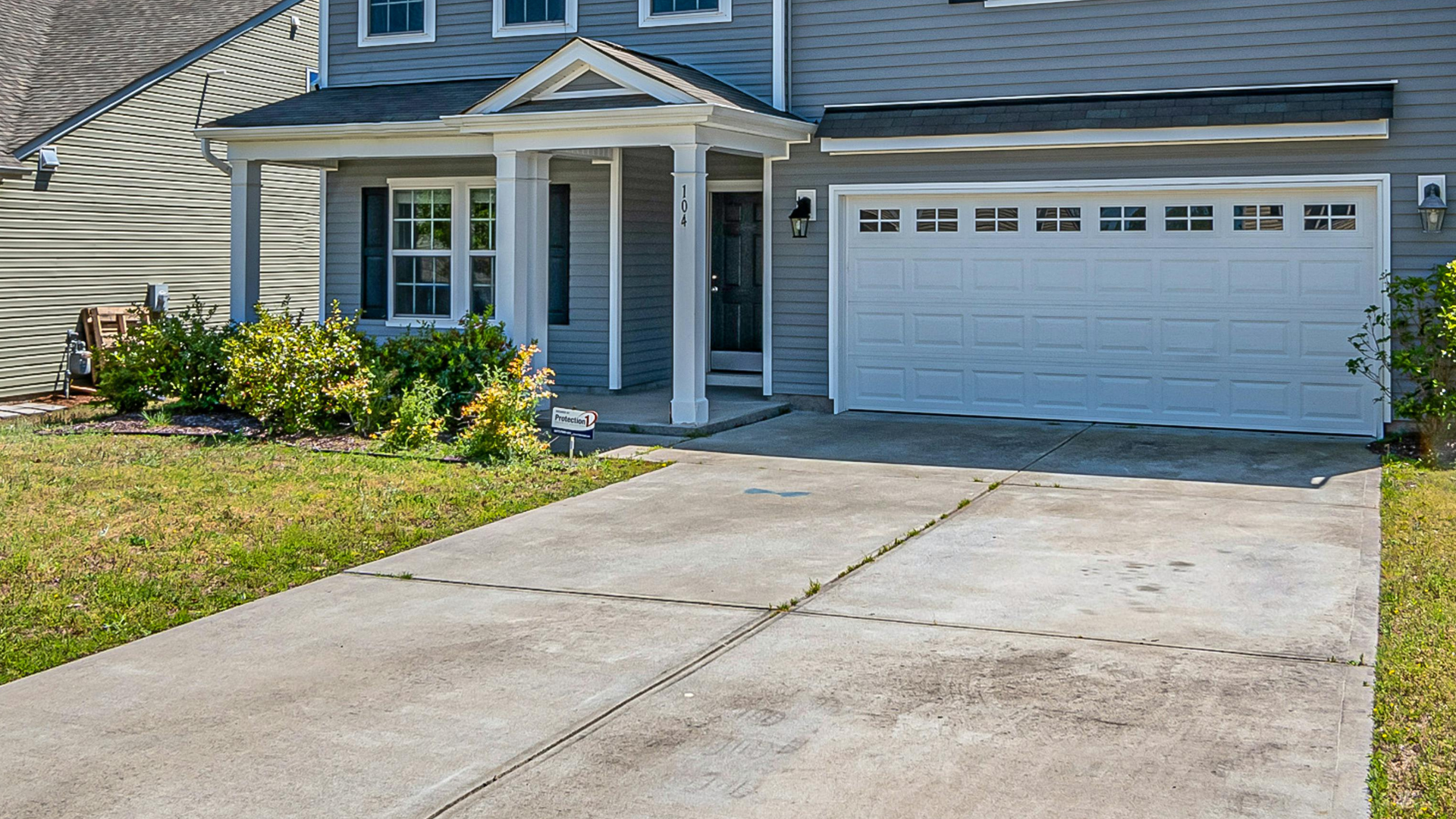
Stains do not affect strength but can impact the appearance of your driveway.
Common Causes
- Oil and vehicle fluids
- Leaves and organic debris
- Irrigation water
- Chemical exposure
How to Prevent Stains
Keeping the surface clean helps maintain appearance.
- Clean spills as soon as possible
- Seal the surface to reduce absorption
- Remove debris regularly
A sealed surface makes cleaning easier and helps protect the finish.
7. Freeze-Thaw Damage
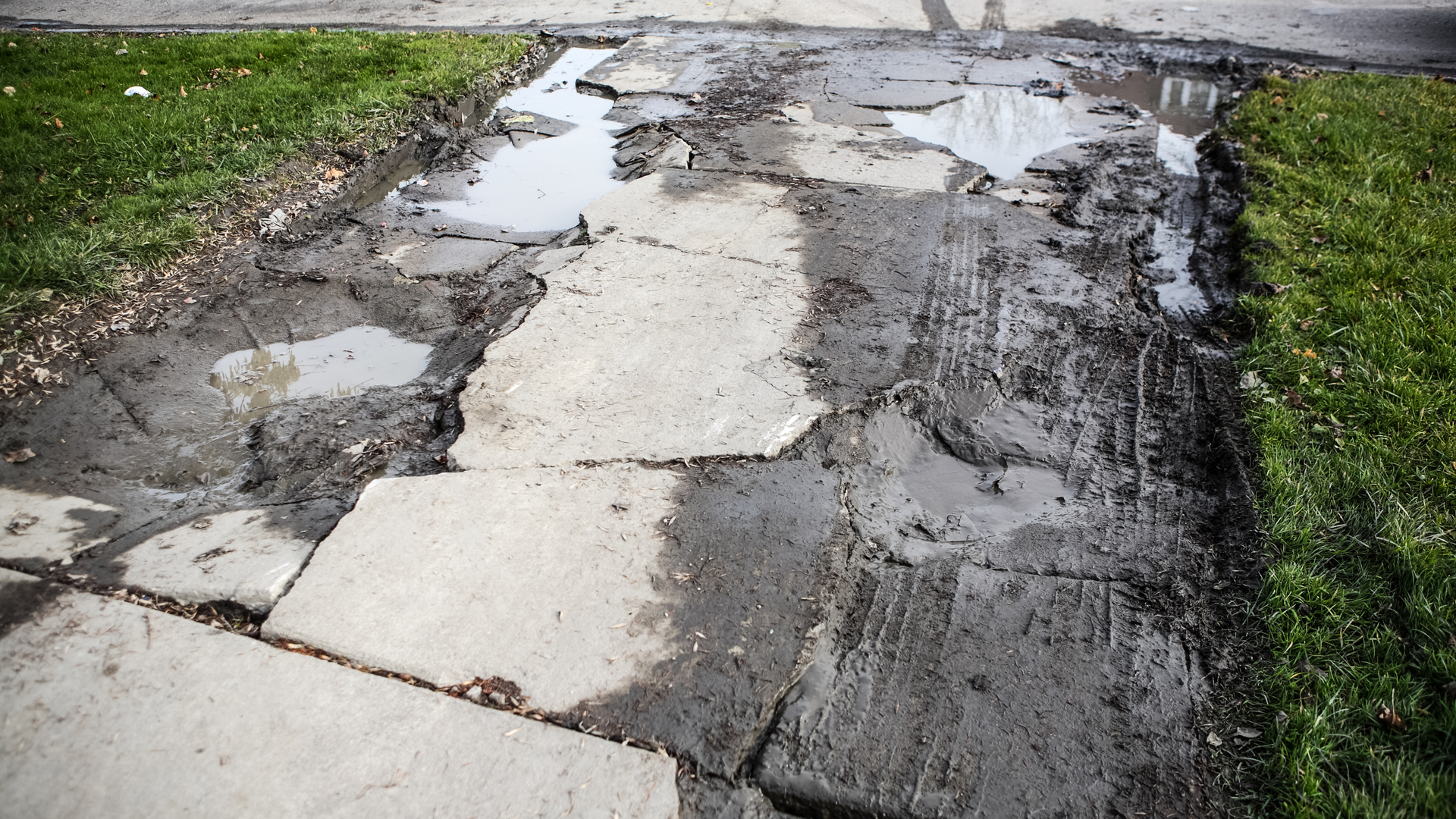
Freeze-thaw cycles place repeated stress on concrete. Water enters small cracks, freezes, and expands.
Why It Matters
This process can widen cracks and weaken the surface over time, especially in areas with cold winters.
How to Prevent Freeze-Thaw Damage
Reducing water entry is the most important step.
- Seal the driveway regularly
- Repair cracks early
- Maintain proper drainage
- Use appropriate concrete mixes
These steps help limit long-term damage.
8. Installation-Related Problems
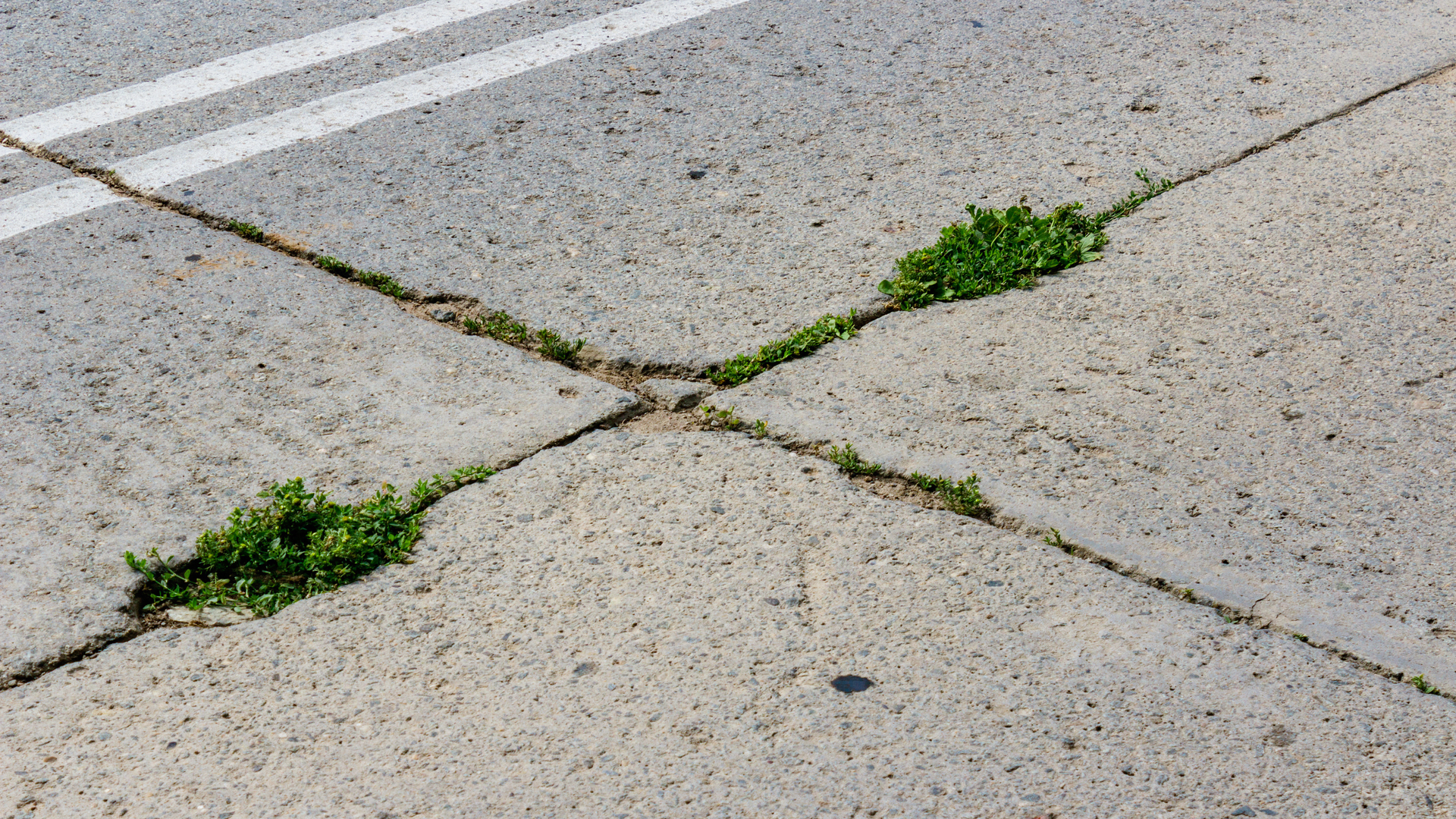
Many driveway issues begin during installation. Mistakes at this stage often lead to long-term problems.
- Common Installation Issues
- Poor base preparation
- Incorrect slab thickness
- Lack of reinforcement
- Improper curing
These problems may not appear immediately but often develop within the first few years.
How to Prevent Installation Problems
Choosing the right approach during installation makes a significant difference.
- Work with experienced contractors
- Ensure proper base and grading
- Use correct thickness and reinforcement
- Allow adequate curing time
To understand the full process, see concrete driveway installation in Syracuse.
9. Design-Related Problems
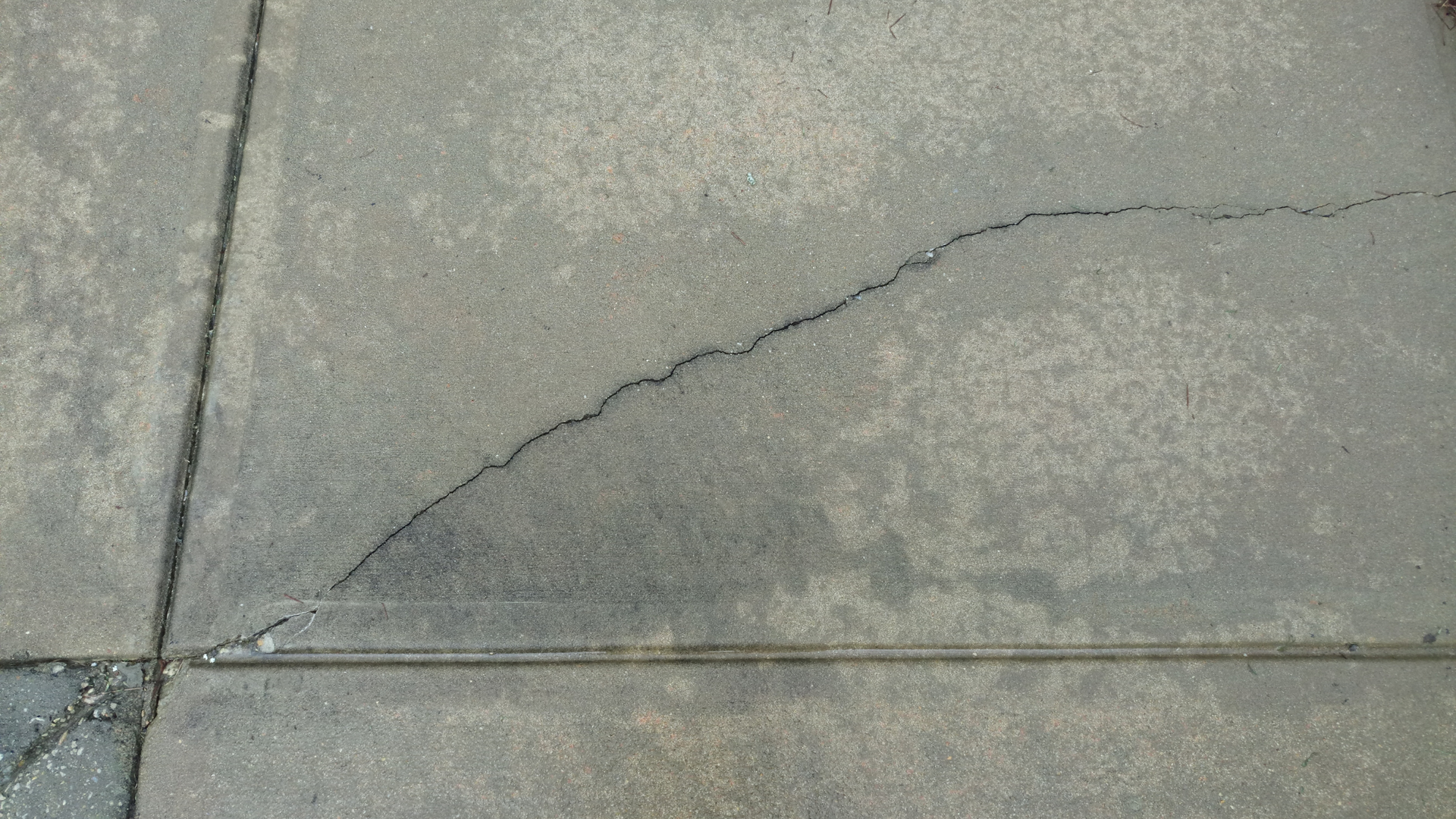
Driveway design affects how well the surface performs over time.
Examples of Design Issues
- Poor slope that traps water
- Finishes that become slippery
- Layouts that create stress points
How to Prevent Design Issues
Good design balances appearance and function.
- Choose finishes suited for your climate
- Plan layout for proper water flow
- Consider long-term maintenance
For more ideas, review our concrete driveway design options in Syracuse.
Quick Problem and Prevention Guide
| Problem | Main Cause | Prevention |
|---|---|---|
| Cracking | Temperature changes, weak structure | Reinforcement and joints |
| Settling | Soil movement | Proper base preparation |
| Surface Damage | Freeze-thaw cycles | Sealing and protection |
| Drainage Issues | Poor slope | Correct grading |
| Edge Damage | Load stress | Reinforced edges |
Cost vs Long-Term Value
Lower upfront cost may lead to higher repair costs later. Skipping steps like base preparation or reinforcement can reduce initial cost but increase long-term issues.
Understanding this tradeoff helps homeowners make better decisions. For more details, see concrete driveway cost in Syracuse.
When to Take Action
Most problems develop slowly. Acting early can prevent more serious damage.
Watch for:
- Cracks that grow over time
- Uneven sections
- Standing water
- Surface wear
Early action helps protect your investment and extend driveway life.
Your Next Step
Concrete driveways remain a reliable option for residential properties. Most problems can be prevented with proper installation, thoughtful design, and regular maintenance.
When you understand what causes these issues, you can take steps to reduce risk and respond early if something changes.
At Northmen Concrete, we help homeowners understand and prevent common driveway problems through proper planning and installation.
If you are seeing cracks, settling, or drainage issues, or if you are planning a new driveway, we can help you choose the right approach for your property.
We work with homeowners in Syracuse and surrounding areas to build driveways that handle real conditions and last.
Contact Northmen Concrete today to schedule your driveway evaluation and get clear recommendations for your home.