Why the Concrete Foundation Matters More Than Any Other Pour
A foundation does two jobs at once. It spreads the weight of the building across the soil, and it anchors the structure against frost, moisture, and shifting ground. When it is done right, you never think about it, but when it is done wrong, the signs appear elsewhere as drywall cracks, sticking doors, uneven floors, and water in the basement.
That is why foundations are held to a far higher standard than flatwork. They are engineered, permitted, inspected, and poured to code because the stakes are the entire structure above. Knowing the basics helps you ask sharper questions and spot a contractor who builds it properly rather than quickly.
Types of Concrete Foundations
Most homes in the area use one of three foundation types. Each has a clear place, and the right one depends on your building, your lot, your soil, and your budget.
Slab-on-Grade
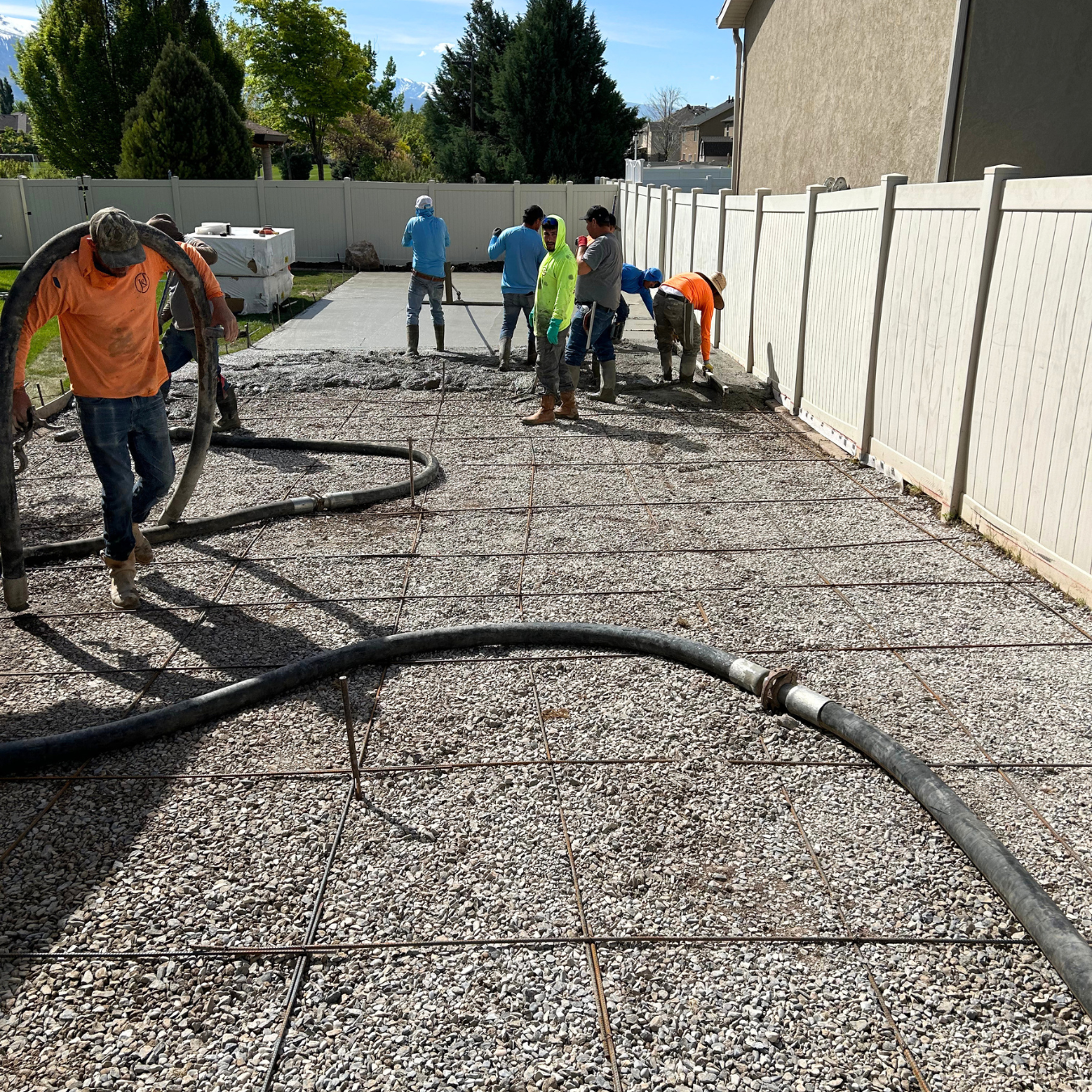
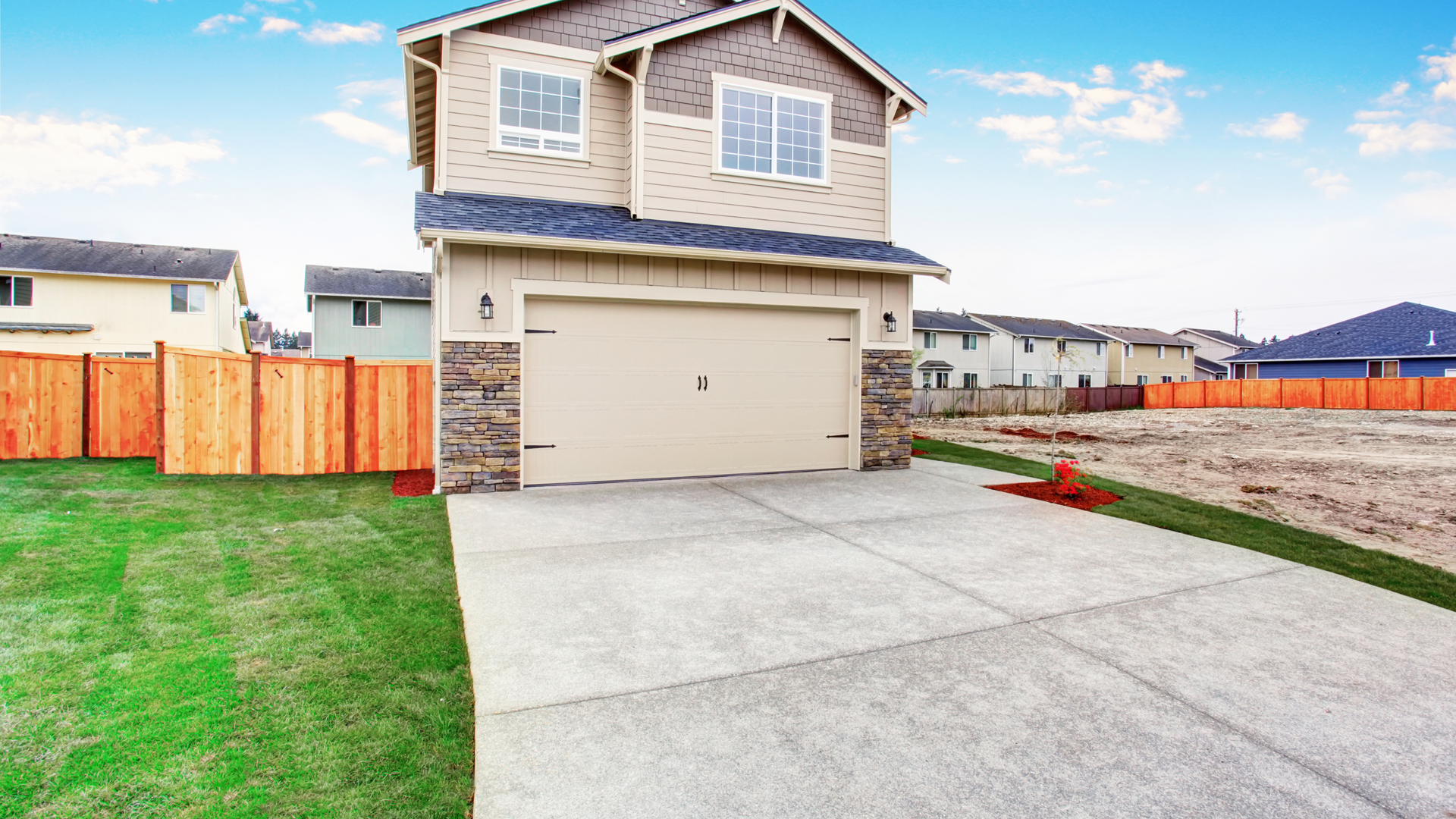
A slab-on-grade is a single thick slab poured on prepared ground, usually with thickened, reinforced edges that act as the footing. It is the simplest and most affordable type, and it suits garages, shops, additions, and some homes. It works best where a basement is not wanted or the water table sits high.
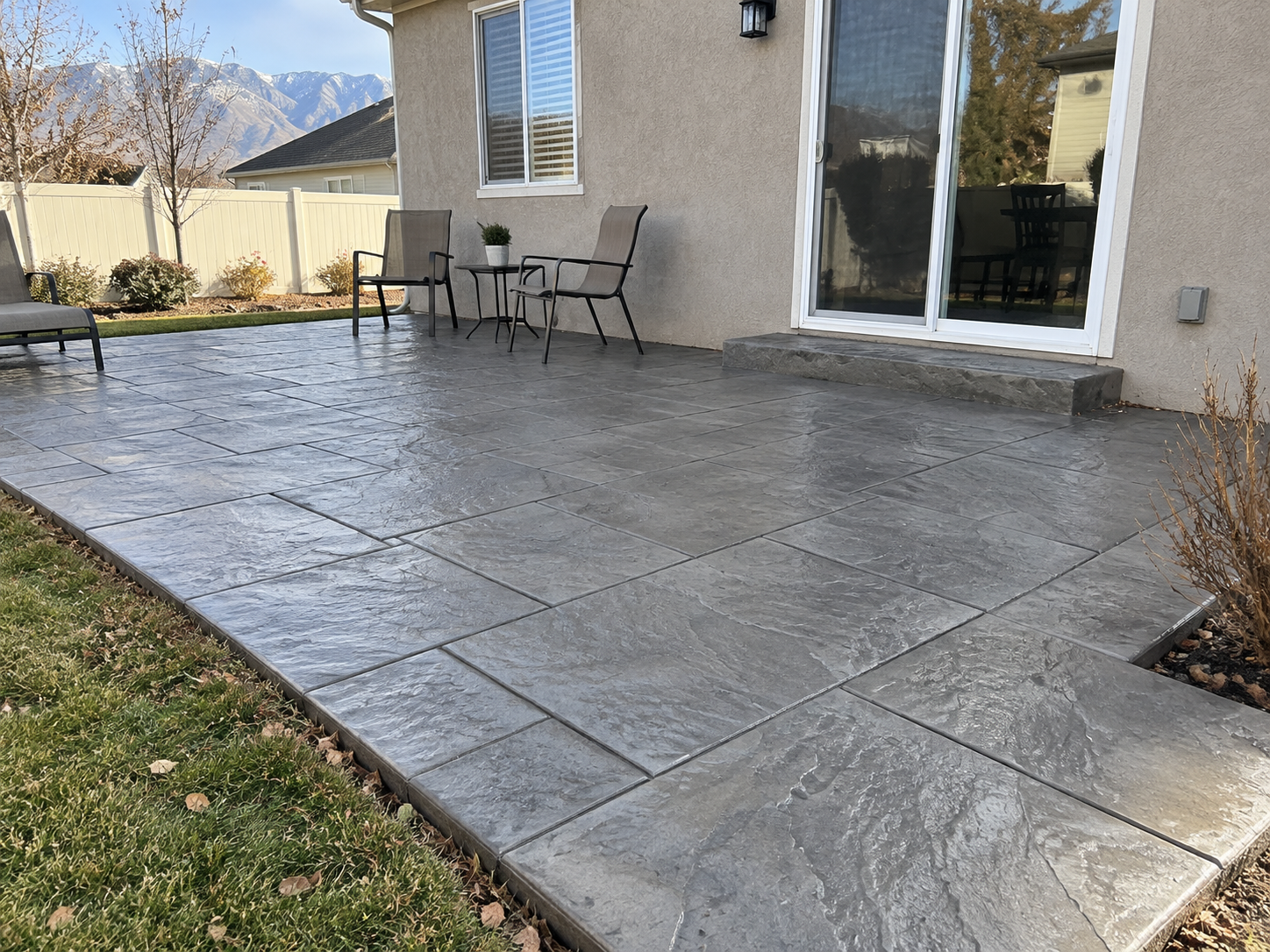
The trade-off is access. Plumbing and utilities run beneath or within the slab, so reaching them later is harder. Poured on a compacted base with proper reinforcement and frost protection at the edges, a slab is durable and economical, and it pairs well with finished
concrete flooring since the slab often becomes the floor itself.
Stem Wall with Crawl Space
A stem-wall foundation places footings below the frost line, then builds short concrete walls up from them to create a crawl space beneath the floor. This is a common choice for homes across the area. The crawl space lifts the living floor off the ground and leaves plumbing and wiring reachable for repairs.
Stem walls cost more than a slab because they involve more excavation, forming, and concrete. In return, they give better access and adapt well to sloped or uneven lots. For many local builds, they strike a practical balance between cost and long-term serviceability.
Full Basement
A full basement is a stem-wall foundation taken deep enough to add a full story of usable space below grade. It is the most expensive type because it needs the most excavation, the tallest walls, and the most careful waterproofing. It is also the most popular for houses here, since a basement adds living, storage, or rental space at a low cost per square foot.
Basements suit our climate, staying cool through summer and sheltered through winter. They do demand correct drainage and waterproofing to stay dry, which matters given the clay and water table in parts of town. Done right, a basement is one of the best-value spaces you can build.
Foundation Types at a Glance
Use the table below to narrow your options quickly. A contractor or engineer confirms the right fit for your specific lot and soil.
What Drives Foundation Cost in Syracuse
Any firm price quoted without a site visit is a guess. Foundation cost swings with the type, the size and shape of the structure, the excavation the lot needs, the soil, and whether an engineered design is required. Rather than a misleading single number, it helps to know what actually moves a quote:
- Foundation type.
Slab, stem wall, then basement, in rising order of cost.
- Size and layout.
Larger footprints and complex shapes need more concrete and labor.
- Excavation.
Digging, hauling, and grading add up, and basements are excavation-heavy.
- Soil conditions. Expansive clay, a high water table, or weak soil can require deeper footings or engineering.
- Geotechnical report. Many local projects need a soil test before design, which is a real and worthwhile cost.
- Reinforcement and mix strength. Rebar and higher-strength concrete add durability and cost.
- Drainage and waterproofing. Essential for basements and crawl spaces, and not a place to economize.
When two bids differ sharply, the cheaper one often assumes less excavation, thinner footings, or no soil work. Those are the buried elements that decide whether the foundation lasts, and they are invisible the moment the project moves forward. The cheapest foundation, in practice, is the one you never have to repair.
BUILDING SOMETHING? START WITH THE BASE
Building for Utah Ground
A foundation that would pass in a mild climate can fail in ours if it ignores two local facts. The first is how deep the ground freezes each winter. The second is how our soil behaves when it takes on water.
Frost Depth and the 30-Inch Rule
When soil freezes it expands, and that expansion can lift a building. The fix is to place the bottom of the footing below the depth where the ground freezes, in stable soil that does not move. Along the Wasatch Front, including Davis County, the common minimum frost depth is 30 inches, so footings generally must reach at least that deep.
The building code also sets a minimum footing depth of 12 inches below undisturbed ground, but here the frost requirement is deeper and governs. Frost depth is enforced by each jurisdiction, so confirm the exact figure with the
Syracuse City building department for your project rather than assuming a neighboring city's number. The
International Residential Code footing provisions set the baseline the local code builds on.
Expansive Clay Soil
Depth is only half the picture. Much of the area sits on deep Lake Bonneville clay, the old lakebed soil that made this region farmland. That clay is expansive, meaning it swells when wet and shrinks as it dries, and that movement works against a foundation over time. Nearer the Great Salt Lake on the west side, a high water table adds more moisture.
Expansive clay is why a soil test matters locally. A geotechnical report tells the engineer how much the soil can bear and how it moves, so the footings, reinforcement, and any special measures are sized correctly. Building on clay is routine when it is done knowingly, and failures happen when a foundation is designed as if the ground were stable.
Drainage and Waterproofing
Water is the thread running through most foundation problems. Frost heave needs water to freeze, clay swells because it takes on water, and basements leak when water pools against the walls. Moving water away from the foundation is core to the build, not a finishing touch.
Good drainage means footing drains, backfill that sheds water, and grading that slopes away from the structure. For basements and crawl spaces, waterproofing the walls is essential. Handle the water correctly and you remove the fuel behind heave, clay movement, and leaks in one move.
Permits, Timing, and Choosing a Contractor
Foundation work is always permitted and inspected, because it is structural. Expect a building permit, an engineered design on most projects, and city inspections at key stages. There is no exempt version of a foundation the way there is for some flatwork.
Timing matters too. Demand peaks in the warmer months, and good curing conditions favor spring through fall, so booking early pays off. Our guide on the
best time of year to pour concrete in Utah explains how temperature affects the cure and why the season shapes the result. Above all, hand foundation work to an experienced local crew that knows the frost depth, has handled Lake Bonneville clay many times, and coordinates the soil report and engineer as a matter of routine.
Frequently Asked Questions
How long does it take to pour a foundation in Syracuse, Utah?
The pour itself is fast, but the full process is not. Between excavation, footings, walls, inspections, and curing, most residential foundations take a couple of weeks of active work, plus curing time before building continues. Weather, soil testing, and permit timing can extend that, so plan ahead of your build schedule.
Can a damaged foundation be repaired, or does it need to be replaced?
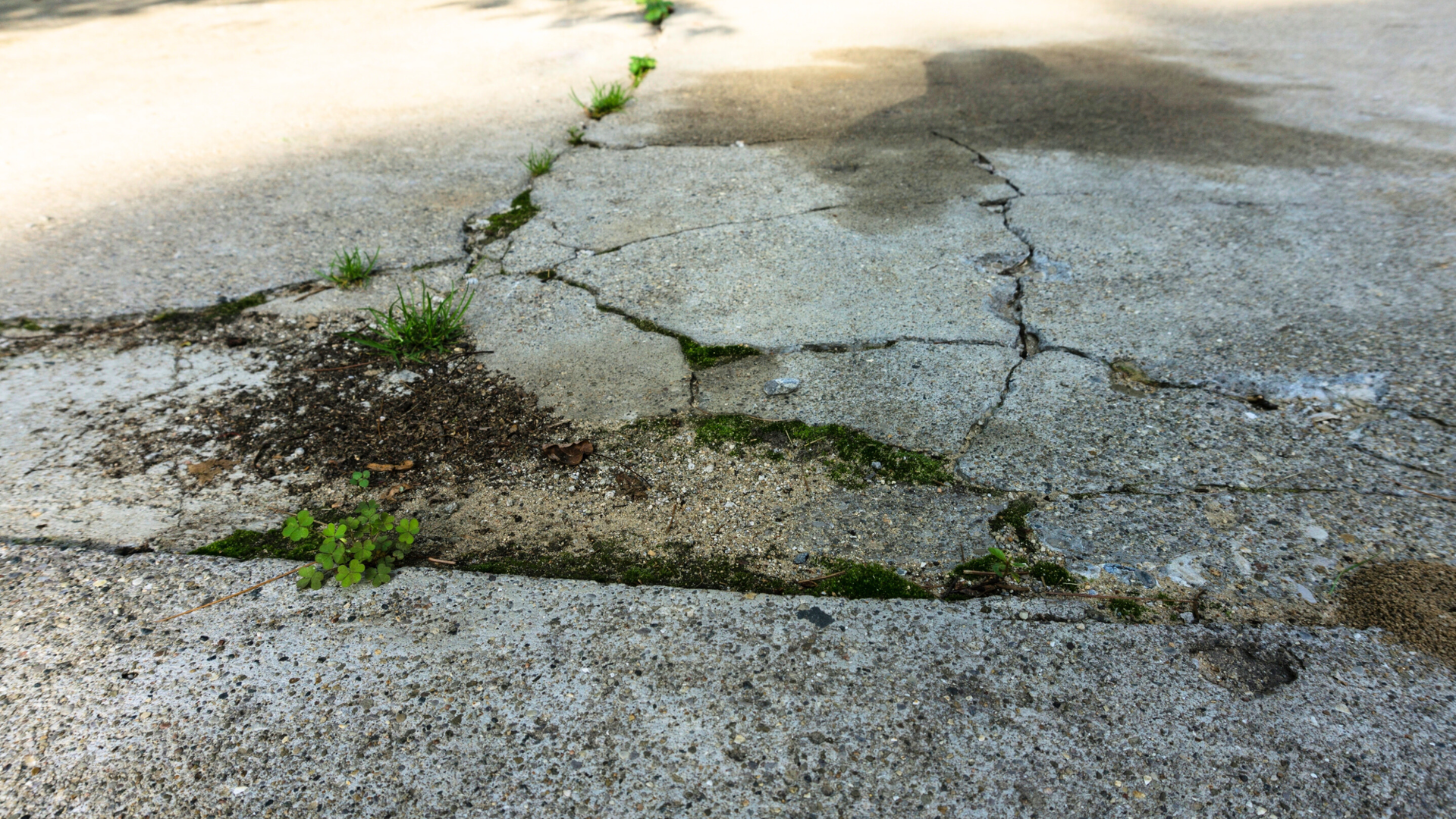
It depends on the cause and severity. Minor cracks are often repairable, and settling can sometimes be stabilized. But damage from frost heave or soil movement usually points to an underlying issue that a patch will not solve, so a contractor should diagnose the root cause before choosing between repair and rebuild.
Do new foundations in Utah need radon protection?
Radon is common in Utah, and many homeowners install a passive radon-resistant system during construction, when it is far cheaper than retrofitting later. It is worth raising with your builder while the foundation is still being planned, especially for basements and homes with living space at grade.
Can I add a foundation for an addition to my existing home?
Yes. An addition needs its own foundation, and tying new concrete to an existing structure takes care so the two move together instead of pulling apart. The new footing still has to meet the same frost depth and soil requirements as the original, and it is permitted and inspected.
Is it a bad idea to pour a foundation in winter here?
Foundations can be poured in winter with proper cold-weather methods, but it costs more and takes longer because the concrete has to be protected from freezing before it gains strength. If your schedule allows, the warmer months are simpler and more economical.
Get a Foundation Quote in Syracuse
A foundation is the least visible and most important part of anything you build, and here it has to be designed for frost, clay, and code from the ground up. The type sets your budget and use, but the depth, the steel, the soil work, and the drainage decide how long it lasts.
At Northmen Concrete, we build
concrete foundations across the Syracuse area to handle local clay, meet frost depth, and pass inspection with no shortcuts underground. Whether you are planning a home, an addition, a garage, or a shop, we will walk you through the right foundation for your site.
request a free estimate and build on ground you can trust.
REQUEST YOUR FREE FOUNDATION ESTIMATE
CALL US NOW