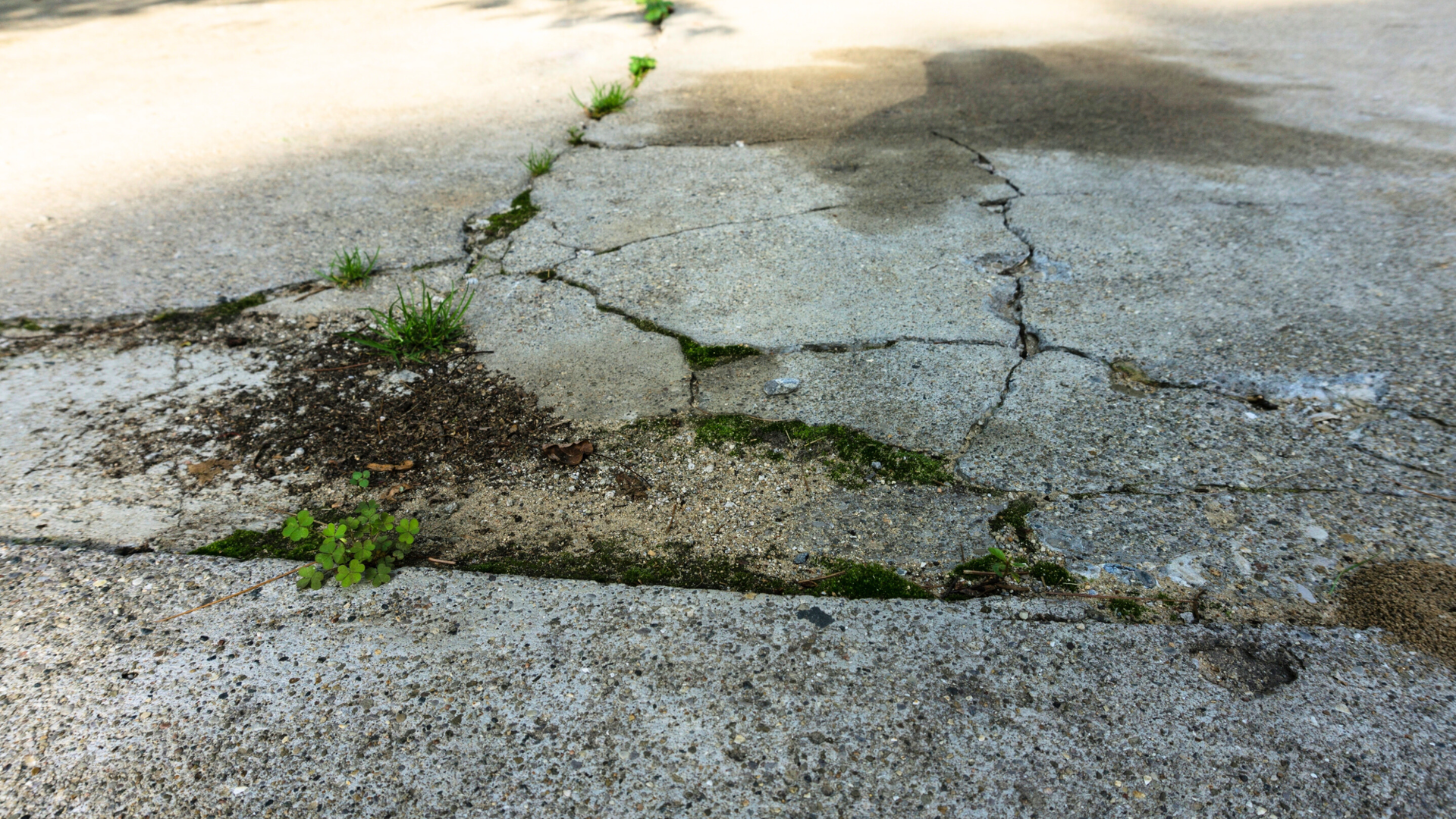
Can You Pour Concrete in Winter in Utah?
If you need a new driveway, slab, or foundation and winter is closing in, you are probably asking one direct question:
can you actually pour concrete in winter in Utah, or do you have to wait until spring? The short answer is yes, you can. Concrete gets poured through Northern Utah winters every year, and much of it performs perfectly for decades. But there is an important condition attached. Winter pouring only works when it is done with proper cold-weather methods, and it is not something to attempt without an experienced crew.
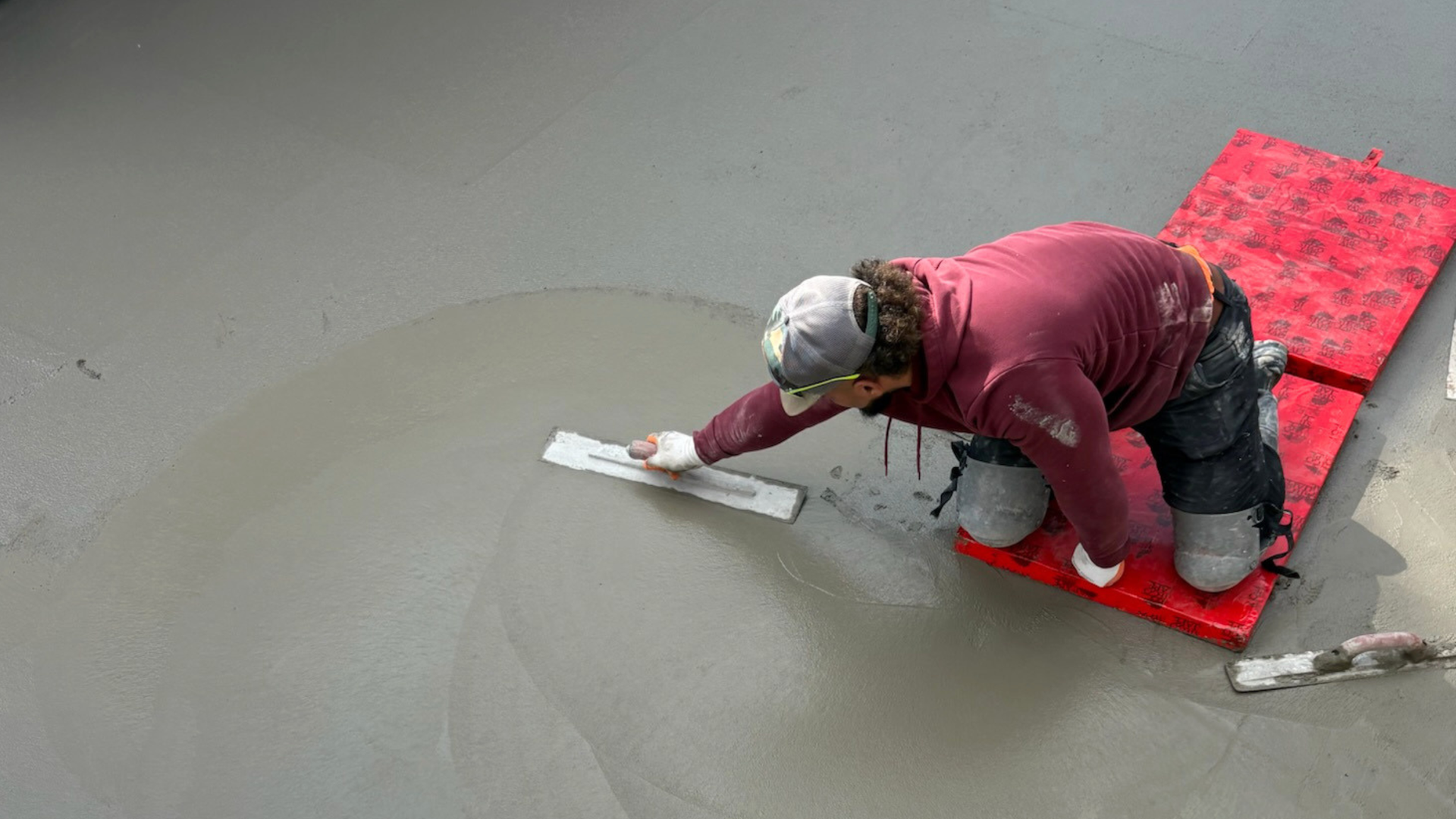
Utah winters are not mild. Here in Davis County and across the Wasatch Front, temperatures can sit below freezing for days at a time, and that changes everything about how concrete behaves. This guide explains exactly what happens to concrete in the cold, the one strength threshold that matters most, the specific tools professionals use to pour safely, and how to decide whether to pour now or wait for a better window.
Why Cold Weather Is a Problem for Fresh Concrete
Concrete does not simply dry and harden. It cures through hydration, a chemical reaction between water and cement that builds strength over time. That reaction is highly sensitive to temperature, and cold weather interferes with it in three ways at once.
First, hydration slows down as temperatures drop. Below 50 degrees the reaction slows noticeably, and below 40 degrees it nearly stops. A slab that should gain strength quickly instead sits soft and vulnerable for much longer.
Second, the concrete loses its own heat too fast. Curing generates warmth, but in freezing air that heat escapes before it can drive the reaction forward.
Third, and most dangerous, the water inside the mix can freeze. When fresh concrete freezes before it has hardened enough, that water turns to ice and expands by roughly nine percent. That expansion physically tears apart the crystal structure the concrete is trying to form. The result is permanent damage that no sealer or repair can undo.
This is why winter concrete is not just a matter of waiting a little longer for it to set. Without protection, a hard freeze can ruin a slab in a single night.
The Rule That Matters Most: 500 PSI
If you remember one thing from this article, make it this number. Fresh concrete must reach a compressive strength of about 500 PSI before it can safely survive a freeze. Below that threshold, freezing causes the permanent damage described above, with strength losses that can reach 50 percent. At or above 500 PSI, the concrete has hardened enough to resist the pressure of one freeze-thaw cycle without harm.
Every single cold-weather technique a professional uses exists for one purpose: to keep the concrete warm and protected long enough to reach that 500 PSI mark. That is the whole game in winter. Get the slab to 500 PSI before it freezes and you have a sound, durable surface. Let it freeze before then and you have a weak, compromised one.
The industry standard that governs all of this is ACI 306, the American Concrete Institute's guide to cold-weather concreting. It defines cold-weather conditions as three or more consecutive days when the average air temperature stays below 40 degrees Fahrenheit. Once those conditions arrive, ordinary pouring methods are no longer enough, and cold-weather procedures become necessary.
How Cold Is Too Cold to Pour?
There is no single cutoff temperature where pouring becomes impossible, but there are clear thresholds where the approach has to change. Here is a practical reference for winter conditions in Utah.
| Air Temperature | What It Means | What Is Required |
|---|---|---|
| Above 40 F | Standard conditions | Normal methods work. Monitor overnight lows in case they dip below freezing. |
| 32 F to 40 F | Cold-weather zone begins | ACI 306 methods apply. Heated materials, blankets, and extended protection periods. |
| 27 F to 32 F | High risk | Full cold-weather system required. Enclosures, heat, admixtures, and close temperature monitoring. |
| Below 27 F | Freeze danger for fresh mix | Fresh concrete can freeze before setting. Only with heated enclosures and expert management. |
Fresh concrete actually begins to freeze at around 27 degrees rather than 32, because the mix water contains dissolved minerals. That small buffer is not a safety margin to rely on. It simply marks the point where the risk becomes severe.
The Tools Professionals Use to Pour Safely in Winter
Pouring concrete in a Utah winter is a controlled process, not a gamble. An experienced crew uses a combination of the following methods, matched to the forecast and the project.
Heated Mix Water
Ready-mix concrete can be batched with heated water so it arrives warm and starts curing with a head start against the cold. This is one of the most common and effective first steps.
Accelerating Admixtures
These are added to the mix to speed up early strength gain, helping the slab reach 500 PSI faster. They shorten the window during which the concrete is vulnerable to freezing.
Thawing and Preparing the Ground
Concrete should never be poured onto frozen ground. Frozen subgrade can heave and settle as it thaws, cracking the slab, and it also pulls heat out of the fresh concrete. Crews thaw and prepare the ground before the pour, which is a step that separates careful work from shortcuts. Proper subgrade prep matters year-round, as our guide on how concrete driveway installation works explains, but in winter it becomes critical.
Insulated Curing Blankets
After the pour, insulated blankets trap the heat the concrete generates and hold it against the surface. On smaller residential slabs these blankets are often the primary protection, keeping the concrete warm through cold overnight hours.
Heated Enclosures
For larger or more exposed pours, or during the coldest stretches, crews build temporary enclosures and add heat to maintain a controlled temperature around the entire slab until it reaches strength.
Temperature Monitoring and Longer Protection Periods
Winter concrete needs to stay protected longer than summer concrete, often for several days rather than a single day. Crews monitor the in-place temperature to confirm the slab stays above freezing and holds strength before protection is removed.
Used together, these methods let a skilled team pour high-quality concrete even when the weather is well below freezing. Skipping any of them is where winter pours go wrong.

Why This Is Not a DIY Job
Cold-weather concreting rewards experience and punishes guesswork. Reading the forecast correctly, adjusting the mix, timing the pour, prepping frozen ground, and managing protection all take judgment that comes from doing it season after season. A homeowner or a general crew without cold-weather experience can easily end up with a slab that froze too early and lost much of its strength, and that damage is not visible until the concrete starts failing later.
This is exactly the kind of work where hiring a local team that pours through Utah winters pays for itself. It also connects to long-term durability. A slab compromised during a winter cure is far more prone to the scaling and cracking that Utah's repeated freeze-thaw cycles cause, which is the same set of problems covered in our guide to the most common concrete driveway problems. Getting the pour right the first time is what prevents those issues down the road, and keeping up with concrete driveway maintenance in Syracuse protects that investment afterward.
Should You Pour in Winter or Wait?
Winter pouring is possible and often successful, but it does cost more and take longer because of the added materials, labor, and protection time. That leads to a practical decision.
If your project can reasonably wait, spring and early fall give concrete the most forgiving conditions and the lowest cost. Our companion guide on the best time of year to pour concrete in Utah breaks down how each season compares and why those windows are ideal. If waiting a few months is realistic for you, it is usually the easier path.
But not every project can wait. A failing driveway, a construction schedule that cannot slip, or a new build that needs its concrete foundations poured to stay on track are all good reasons to move forward in winter. In those cases, the answer is not to avoid pouring. It is to make sure the work is handled by a crew equipped to do it right.
Frequently Asked Questions
Can you pour concrete in winter in Utah?
Yes. Concrete can be poured through a Utah winter, but it requires cold-weather methods rather than standard practice. Crews use heated mix water, warmed or thawed ground, insulated curing blankets, accelerating admixtures, and longer protection periods to keep the slab from freezing before it sets. Done correctly by an experienced team, a winter pour can be just as strong as a summer one.
How cold is too cold to pour concrete?
The American Concrete Institute defines cold-weather conditions as three or more consecutive days with average temperatures below 40 degrees Fahrenheit. Concrete can still be poured below that point, but only with protection measures. The real danger line is fresh concrete freezing before it reaches about 500 PSI, which can happen around 27 degrees.
What is the 500 PSI rule for cold-weather concrete?
Fresh concrete must reach a compressive strength of roughly 500 PSI before it can safely survive a freeze. Below that strength, the water inside the mix can freeze, expand, and permanently damage the slab, causing a strength loss of up to 50 percent. Every cold-weather protection method exists to keep the concrete warm long enough to reach 500 PSI.
What methods keep concrete from freezing in winter?
The main tools are heated mix water, accelerating admixtures that speed early strength gain, insulated curing blankets or heated enclosures, thawing the ground before the pour, and monitoring the in-place concrete temperature. The goal is to keep the slab above freezing until it reaches 500 PSI.
Should I just wait until spring to pour concrete?
If your project can wait, spring and early fall offer the easiest, lowest-cost conditions. But some projects cannot wait, and winter pours succeed every year when handled by a crew equipped for cold weather. The right answer depends on your timeline, budget, and how urgent the work is.
Pour With a Team That Knows Utah Winters
So, can you pour concrete in winter in Utah? Yes, as long as it is done with the right cold-weather methods and the discipline to protect the slab until it reaches 500 PSI. The cold does not make quality concrete impossible. It makes experience essential.
At Northmen Concrete, we pour through Northern Utah winters using proven cold-weather practices, so homeowners across Syracuse and Davis County get strong, lasting results no matter the season. Whether you need a new concrete driveway this winter or you are weighing your options, we are happy to walk you through what your project would take. Request a free estimate and let's figure out the right plan for the season ahead.